A History that Lives in the Heart of Our Community
Lakefield College School’s story begins with the land: the forests, waterways, and shoreline that have shaped generations of students.
Over nearly a century and a half, we have remained a community where learning is rooted in belonging, where discovery happens outdoors as often as in the classroom, and where relationships form the foundation of personal growth.
Our history is not simply a record of dates — it is a living story that continues to evolve through the people who learn here, teach here, and remember The Grove as home. Today, we carry forward traditions of exploration, leadership, and community spirit that began long before us and continue to guide our future.
Archives in Action
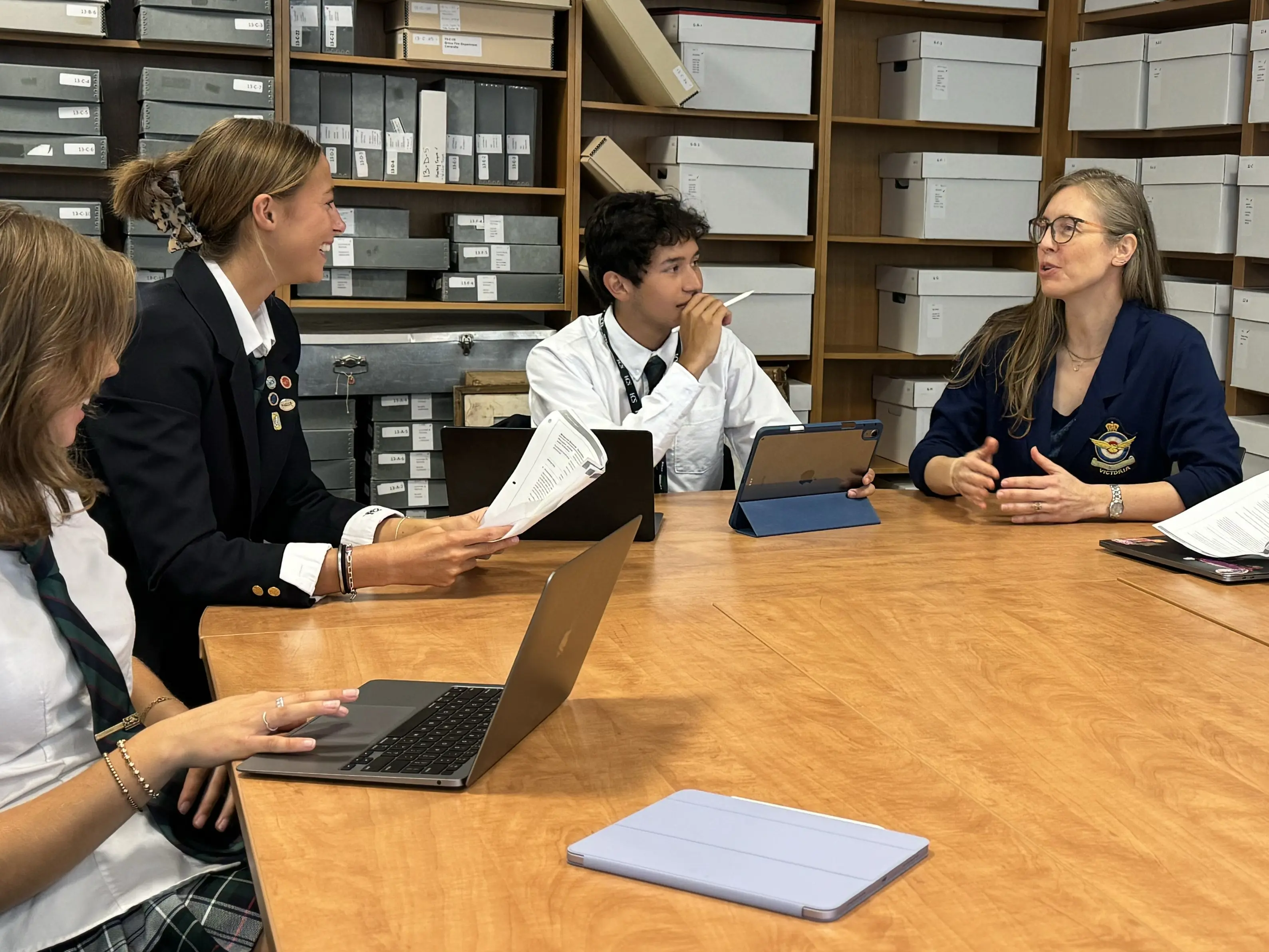
Where past and present meet — inviting students to explore the stories that shaped life at The Grove.
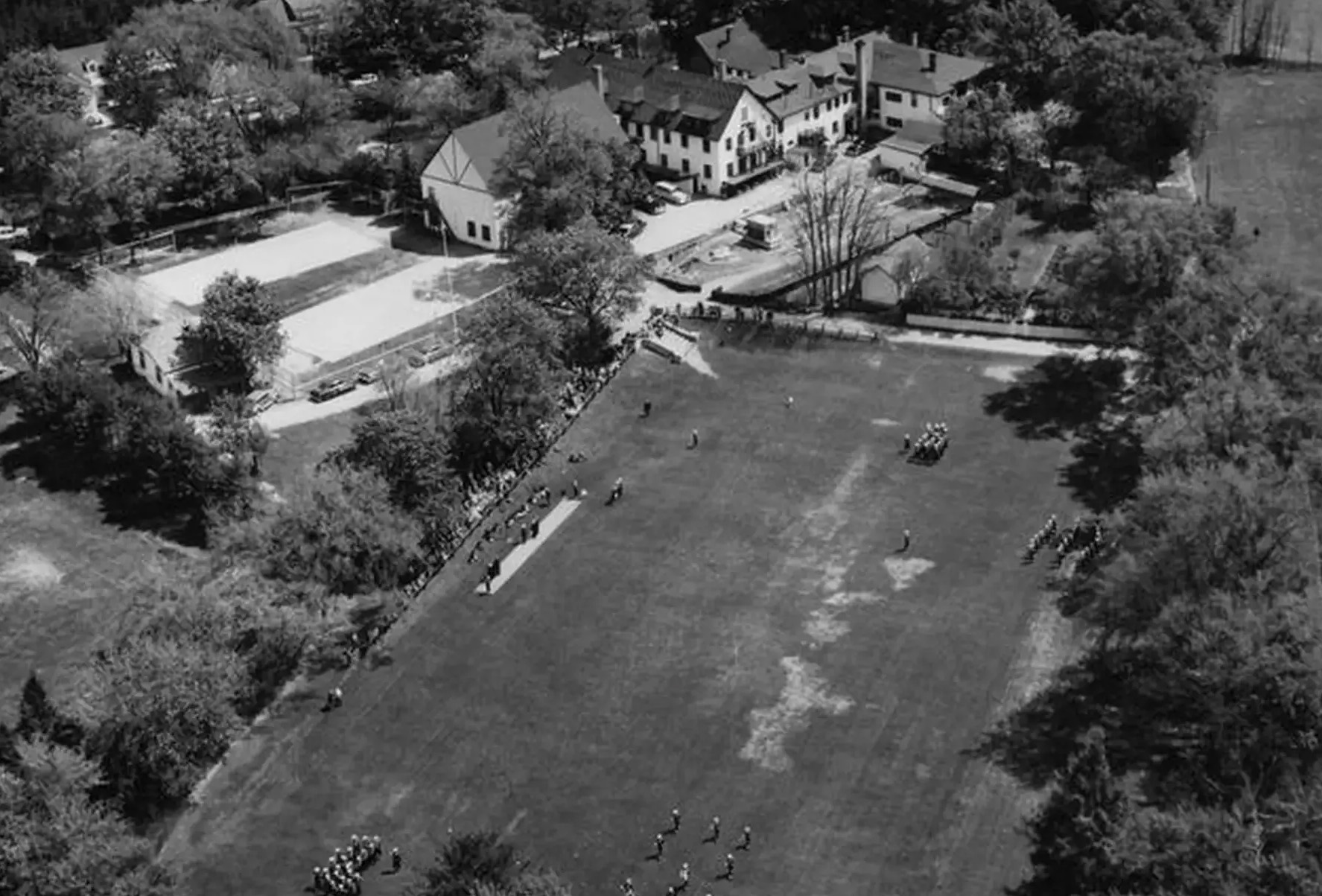
The Story of Lakefield College School
From its earliest days, Lakefield has embraced learning through experience, connection to the natural world, and a strong sense of community, principles that remain at the heart of the school today.
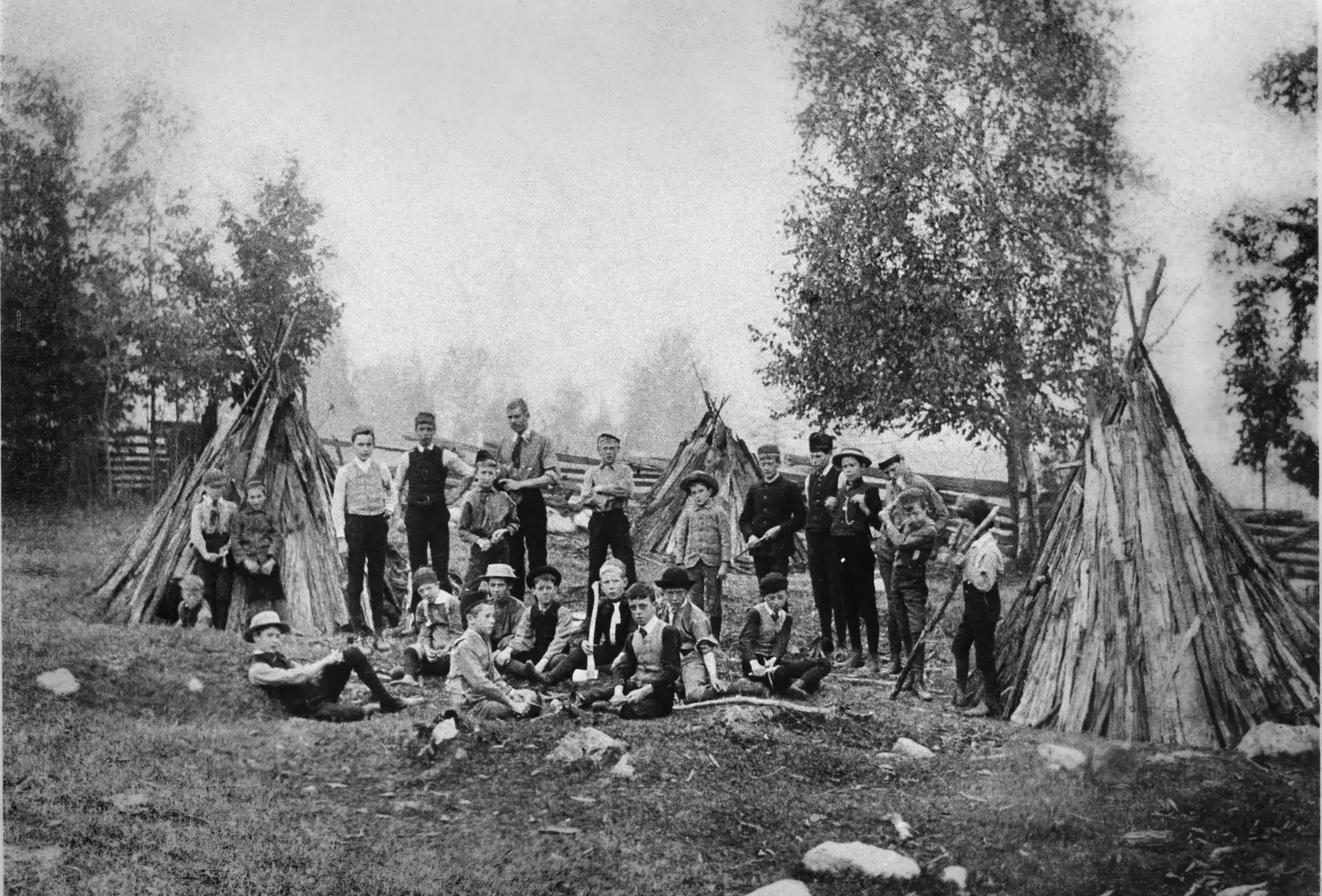
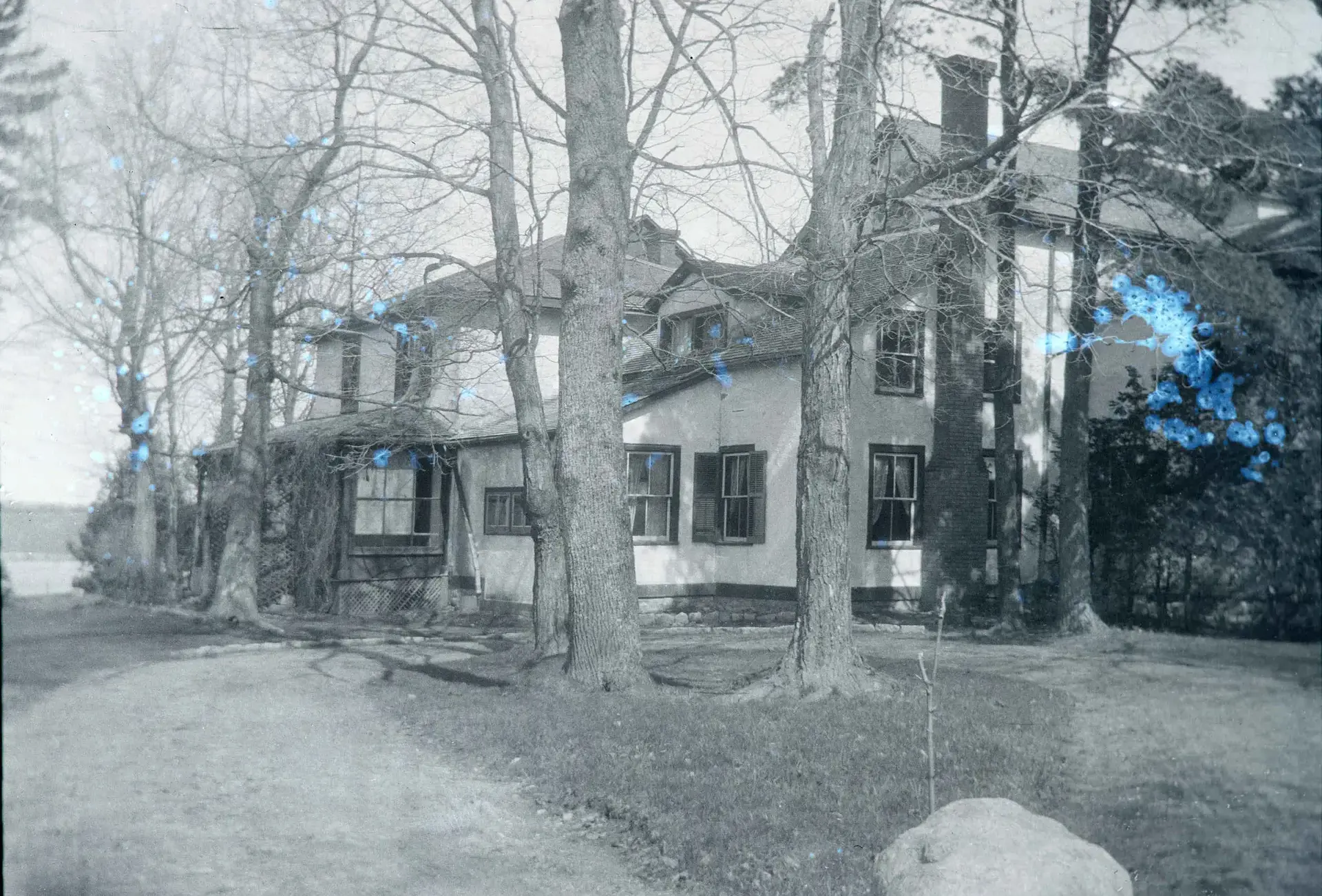
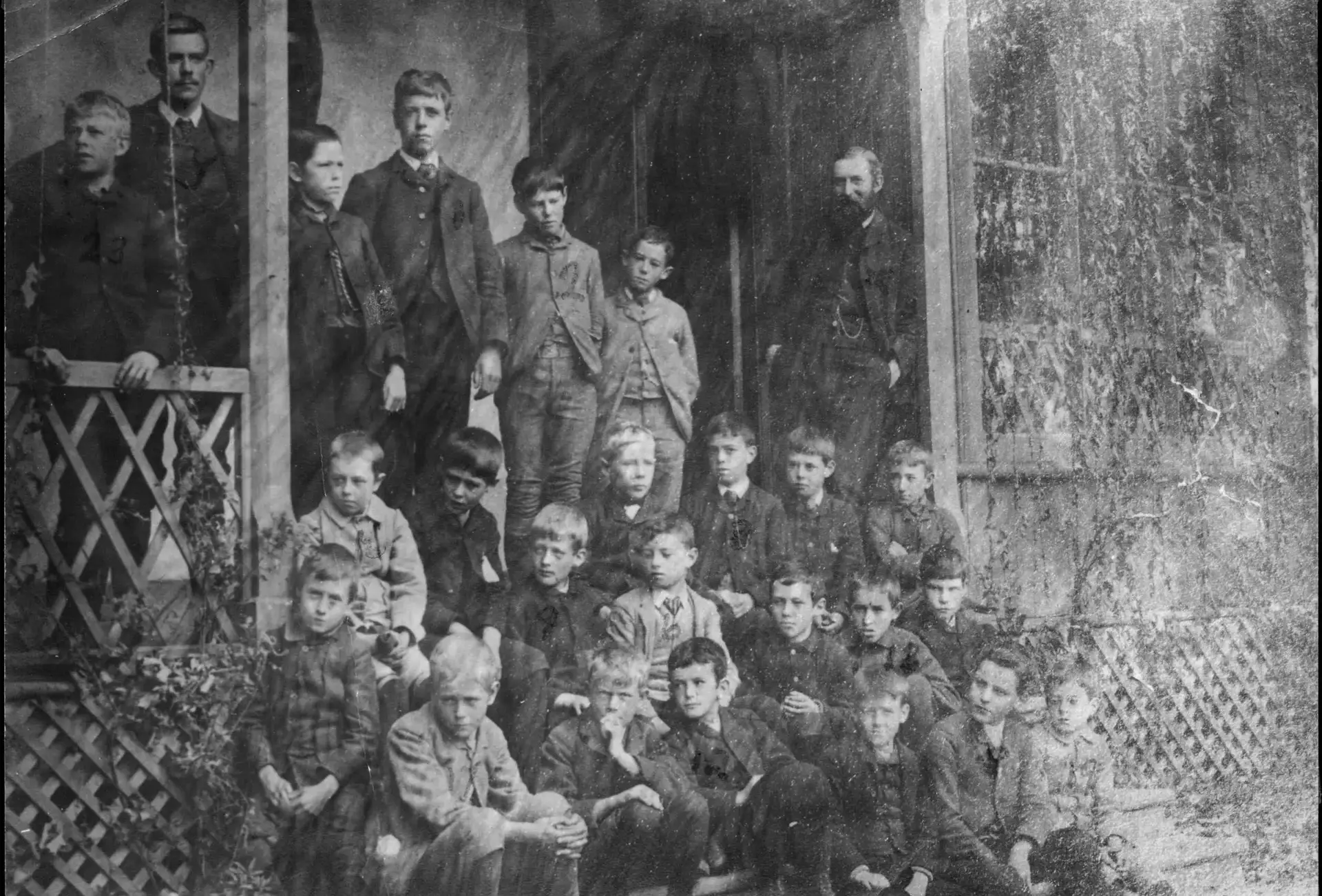
The Land and the School's Beginnings (1877-1900s)
Lakefield College School stands on the eastern shores of Lake Katchewanooka — Ojibway for “lake of many rapids” — on lands where forests were abundant and inhabited for generations by Indigenous peoples. The property is part of Treaty 20, the Williams Treaties, which came into effect in 1923 — 44 years after the school’s founding. Long before the school took shape, the shoreline and waterways defined the rhythm of life here.
In 1877, Sparham Sheldrake, a young English immigrant, purchased a farmstead known as The Grove and its surrounding 25 acres, intending to become a farmer. When farming proved not to be his calling, and encouraged by local Lakefield businessmen, he turned the home into a preparatory school for boys
On April 23, 1879, Sheldrake opened “Mr. Sheldrake’s Preparatory School for Boys” with 18 students, offering a traditional English and Classical education with “special care taken to inculcate moral and gentlemanly principles.” Students came from across Ontario, as well as from nearby families such as the Stricklands and Lefevres.
As the school grew, Indigenous families continued to visit the shoreline, and Sheldrake and his students often gathered with them to share food and stories.
Dr. Mackenzie Lays the Foundation (1900s-1930s)
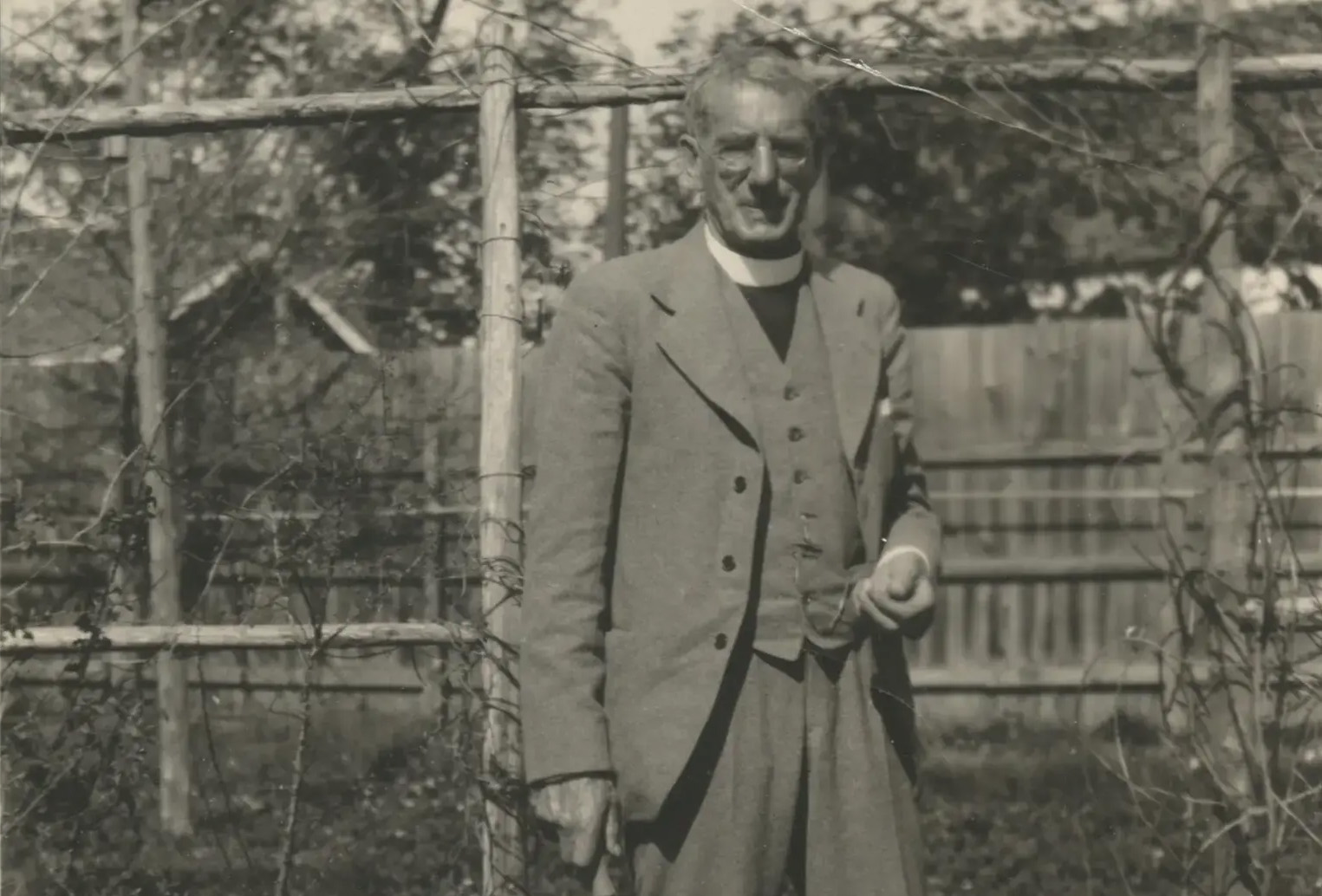
Sheldrake’s school flourished, but it was under Dr. A.W. Mackenzie — the school’s longest-serving and perhaps most beloved headmaster — that it truly took shape. Mackenzie purchased The Grove from the Sheldrakes in 1901, and in 1909 Lakefield Preparatory School formally came into being. He and Mrs. Mackenzie created a place where each boy was cared for, educated, and disciplined as if he were their own.
Mackenzie believed deeply in Mens Sana in Corpore Sano — “a sound mind in a sound body” — which remains the school motto today. Boys studied the Bible and classical subjects and were encouraged to paddle the lake, explore the forests, and return in time for dinner — meals largely supplied by the gardens tended by the headmaster and students.
The school’s longest-standing tradition began in 1879, when students first travelled to Algonquin Park for an annual expedition. In that same spirit, a junior master, his dog, and two boys paddled from Lake Katchewanooka to New York City in the summer of 1914 — a legacy carried forward today through the Grade 12 Algonquin expedition and many other paddling adventures.
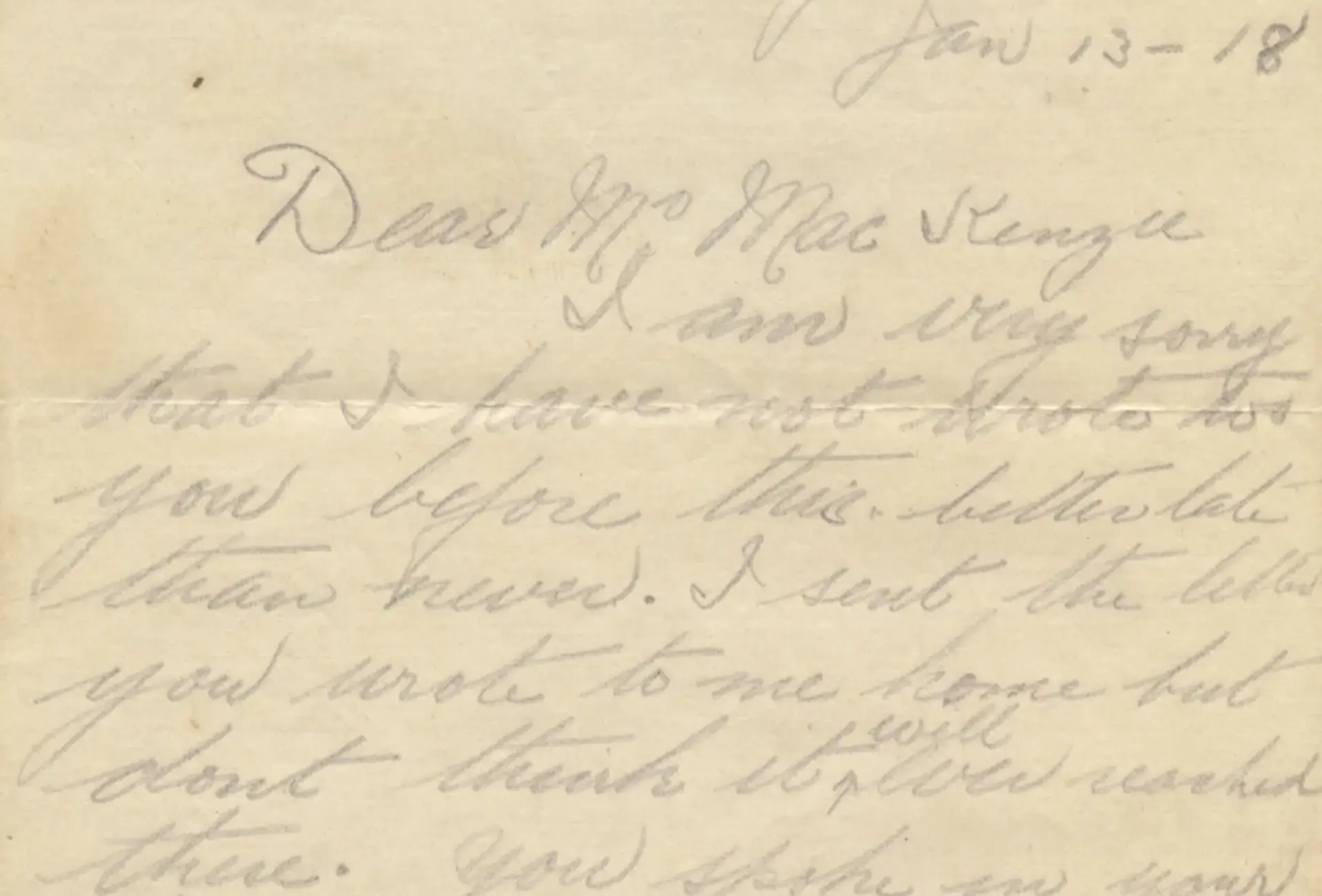
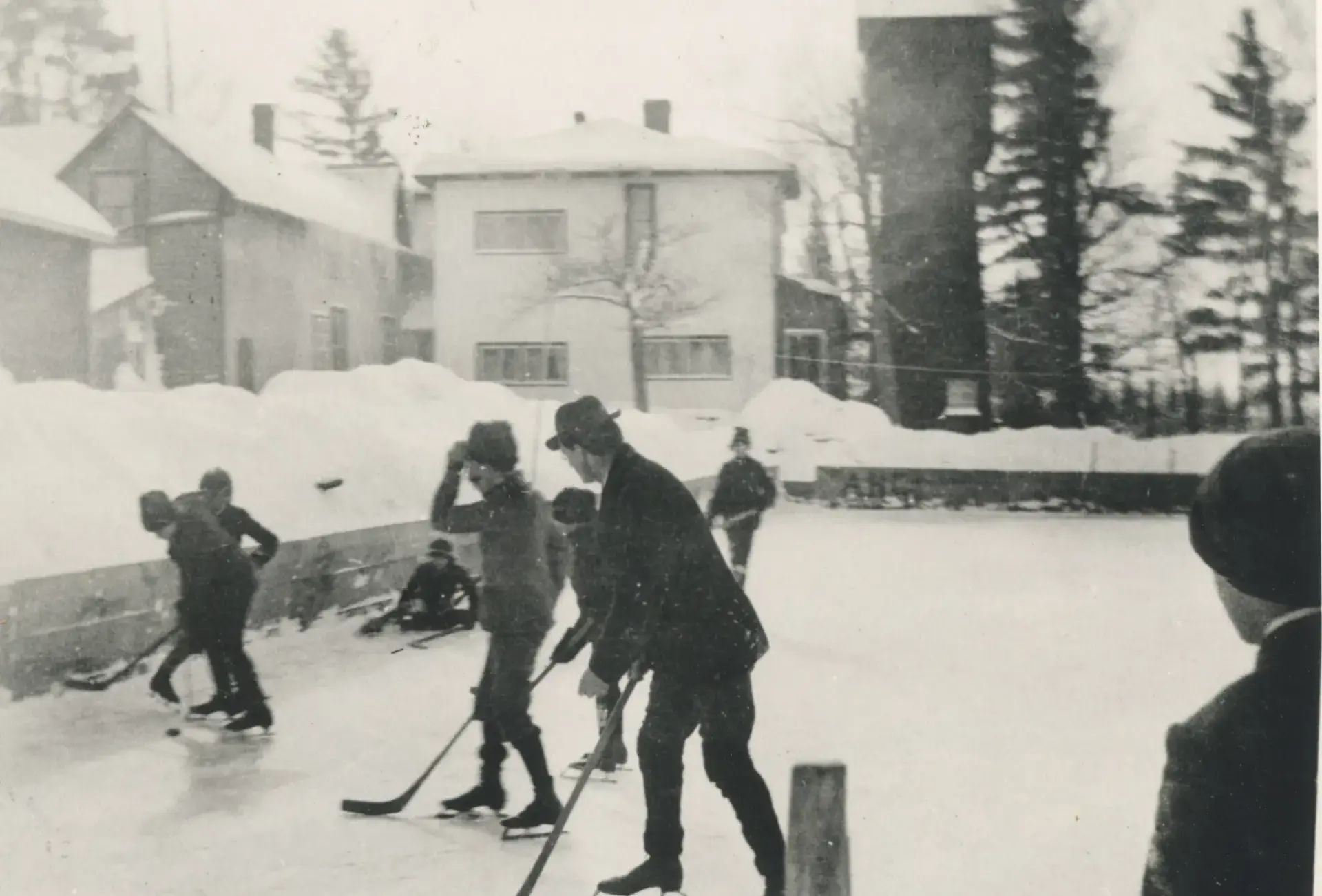
Mackenzie lived the school’s motto, joining the boys on the ice or football field at least once a week. Over his 37 years as headmaster, he mentored students long after their graduation, especially through the First World War. Under his leadership, the school expanded, and in 1924 the chapel — now bearing his name — was built in loving memory of Grove boys killed in the war.
In 1926, the school launched its intramural competition, dividing boys into Wolf and Brock teams, later renamed Red and Green.
Resilience Through Change (1930s-1950s)
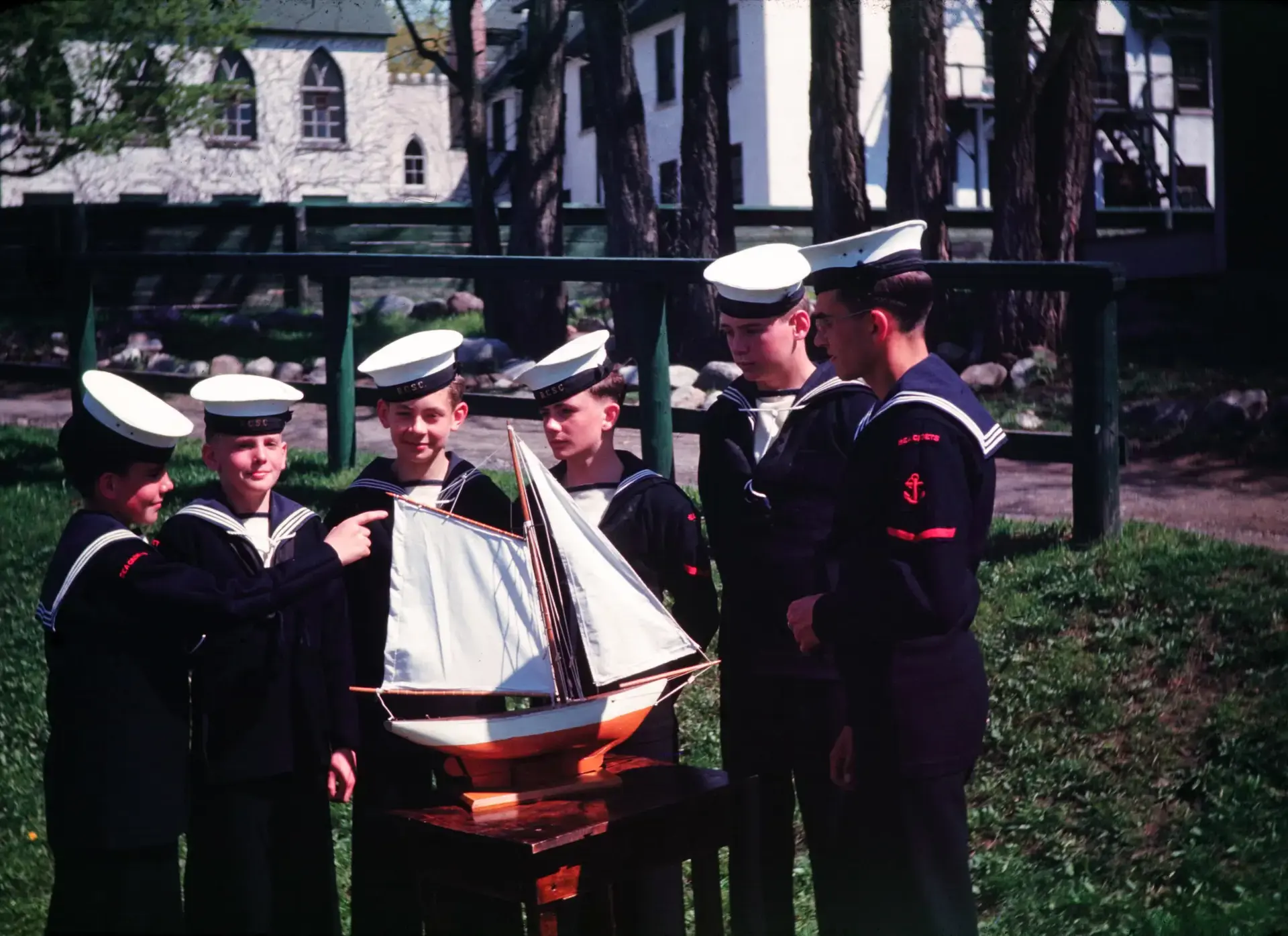
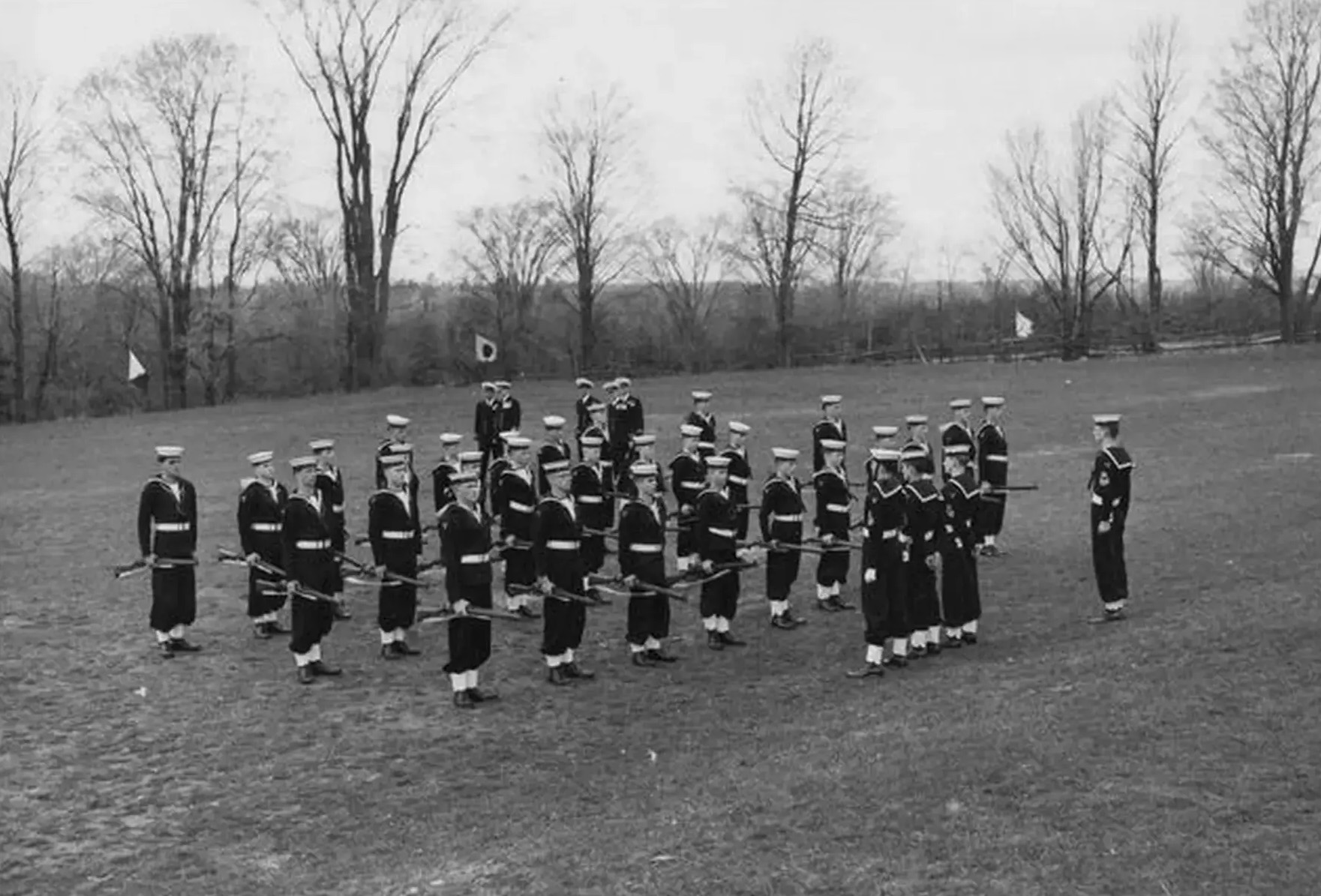
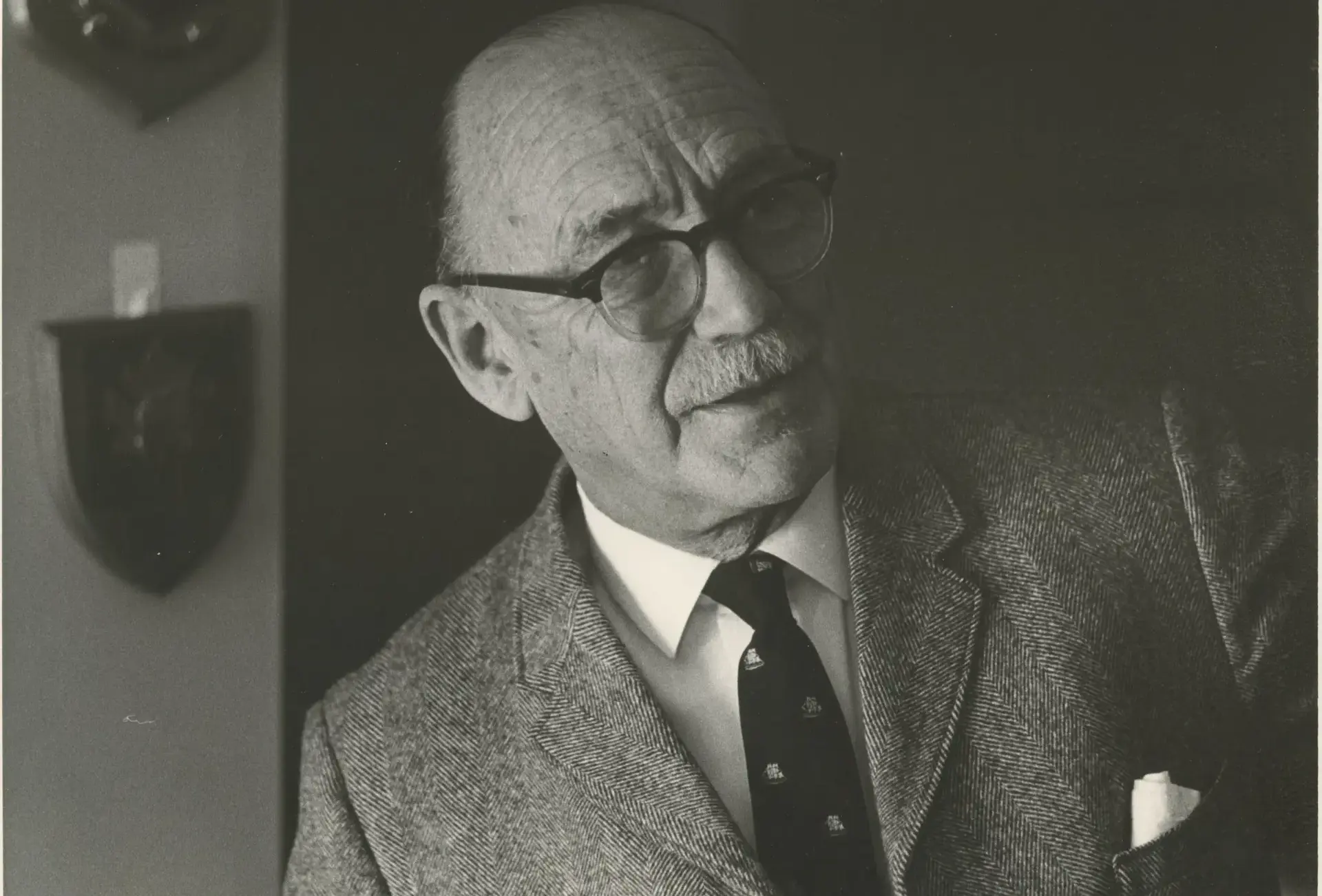
Despite the challenges of the Great Depression, the school continued to grow — adding an Assembly Hall and new classrooms for more than 100 boys. After Dr. Mackenzie’s passing in 1938, leadership transitioned to a governing body led by Frank Pullen, with his son, Ken Mackenzie, briefly serving as headmaster and converting the army cadet program into naval cadets.
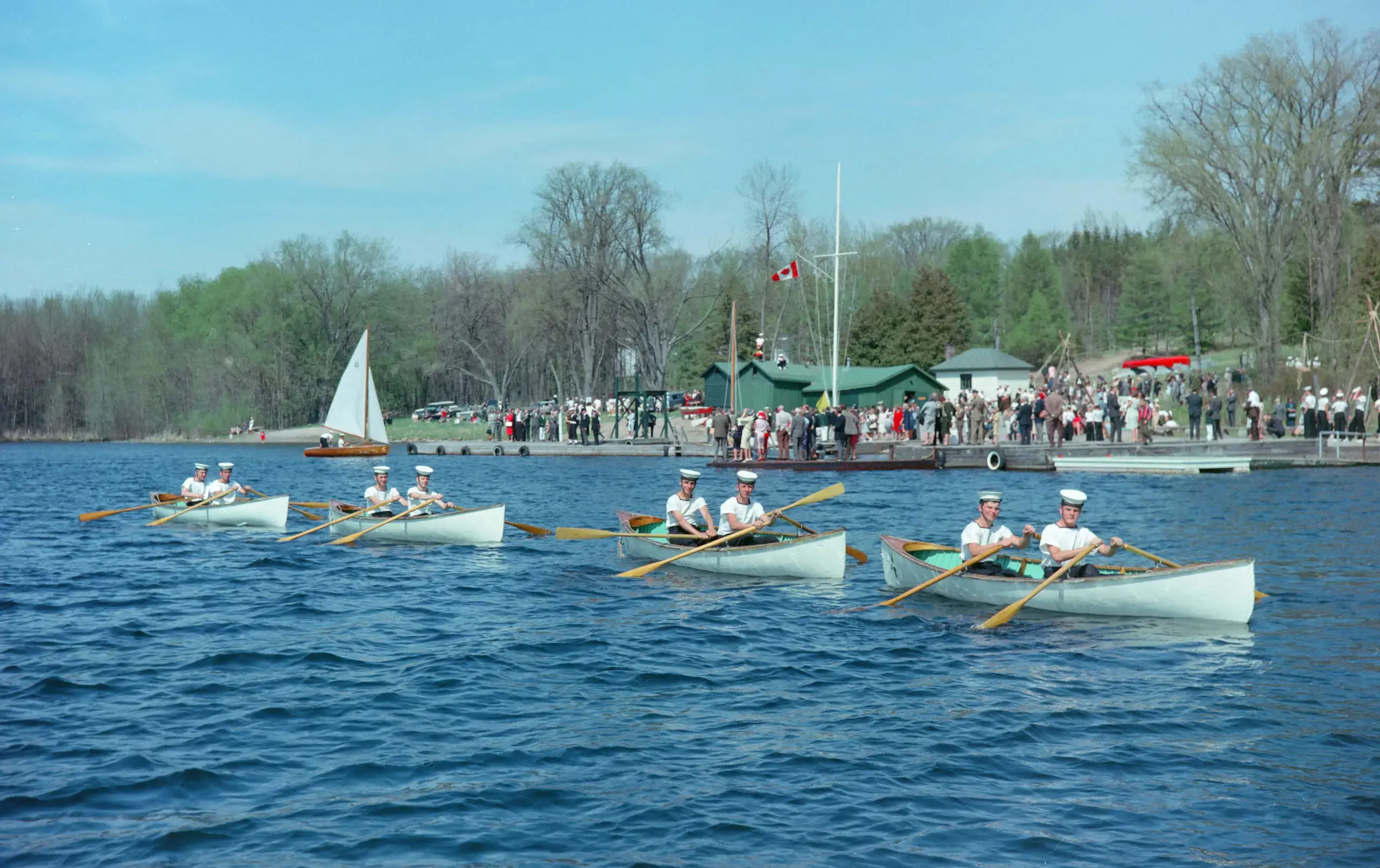
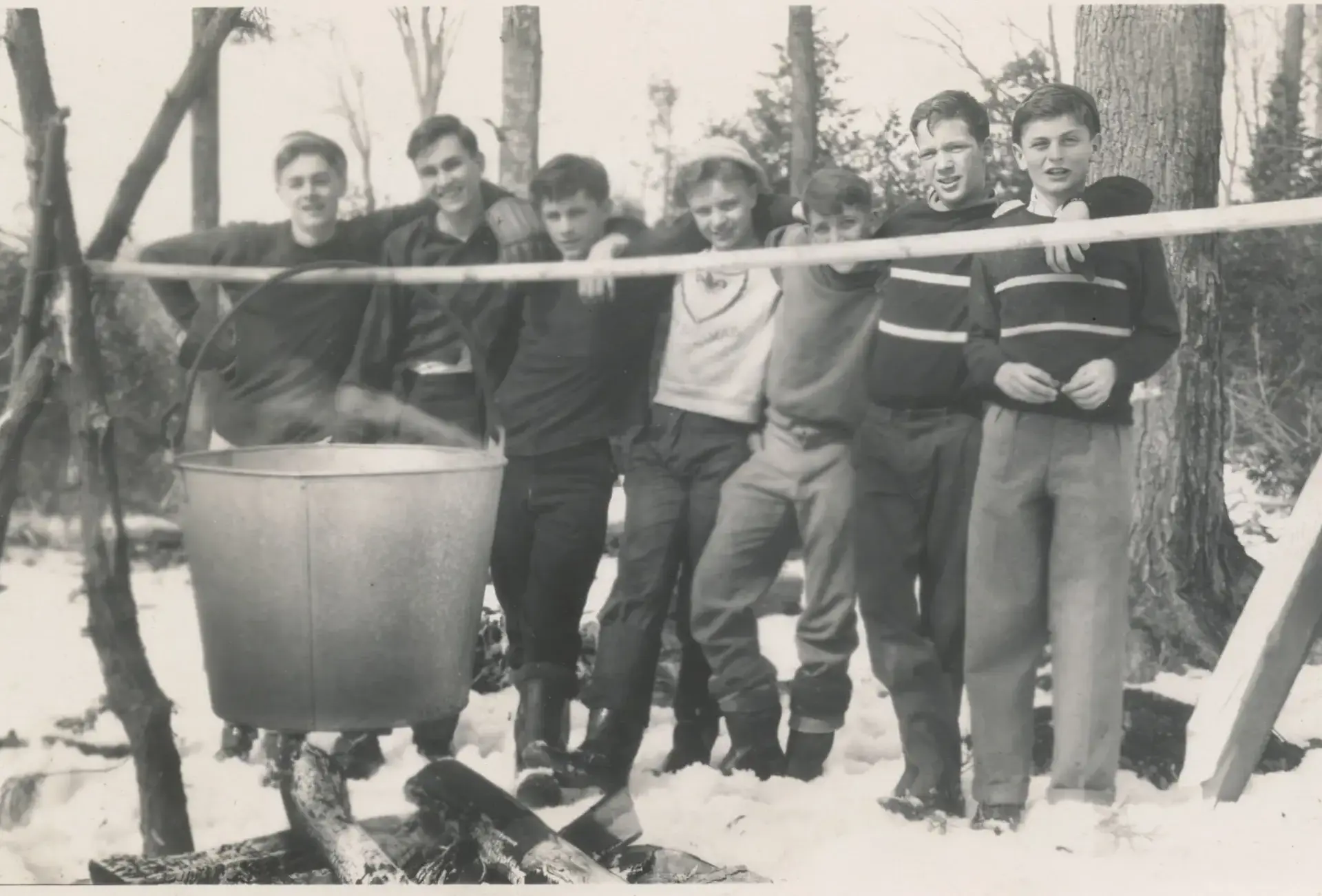
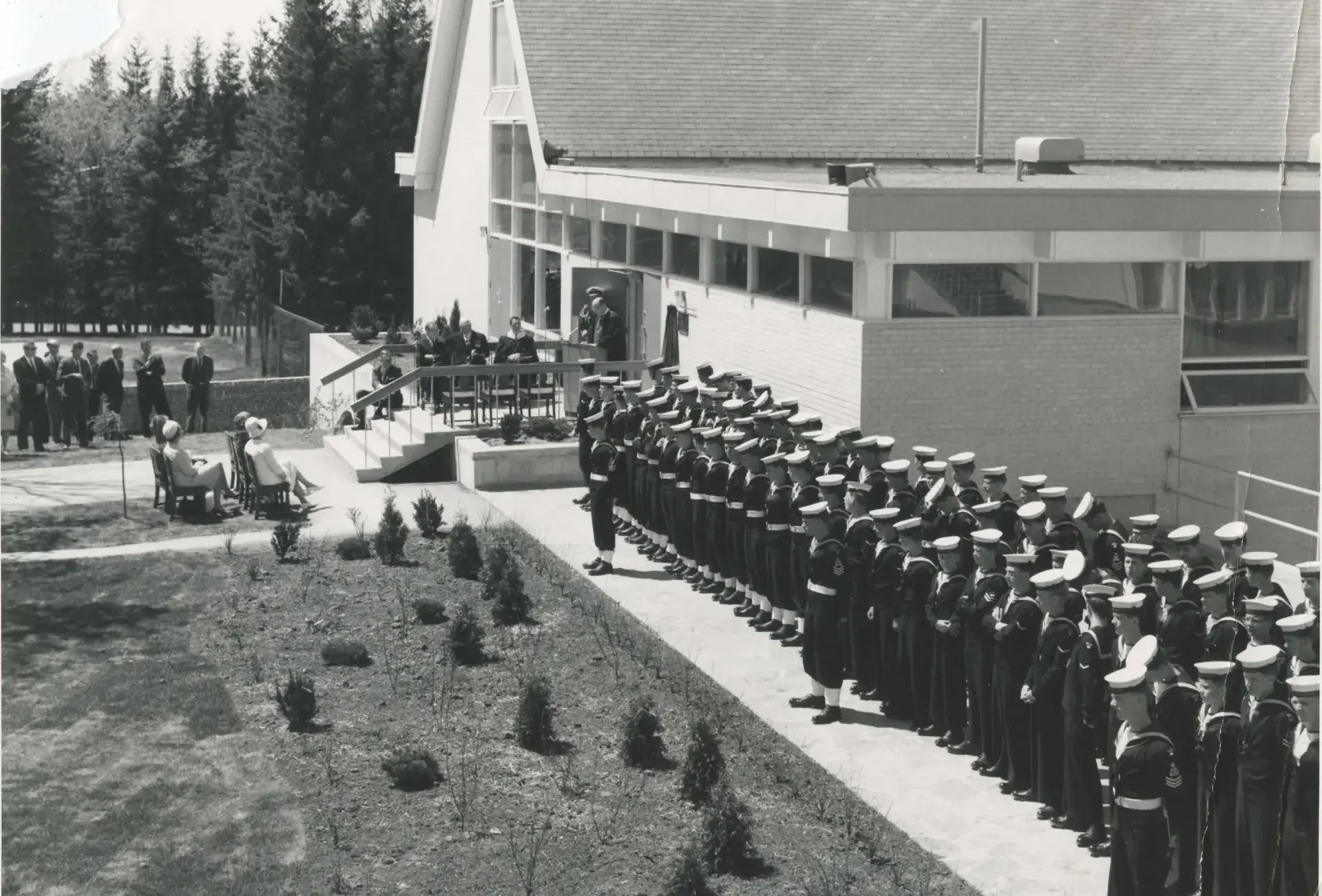
By 1940, the school faced serious financial strain. Gordon Winder Smith became headmaster, guiding Lakefield through the Second World War and providing steady leadership. Outdoor life during this period included naval cadet training to prepare boys for potential wartime service. Students also maintained the school’s farming traditions — harvesting apples, pressing cider, and producing 10 gallons of maple syrup in 1944 — practices reflected today in our Sugar Shack and the apiary at Northcote Farm.
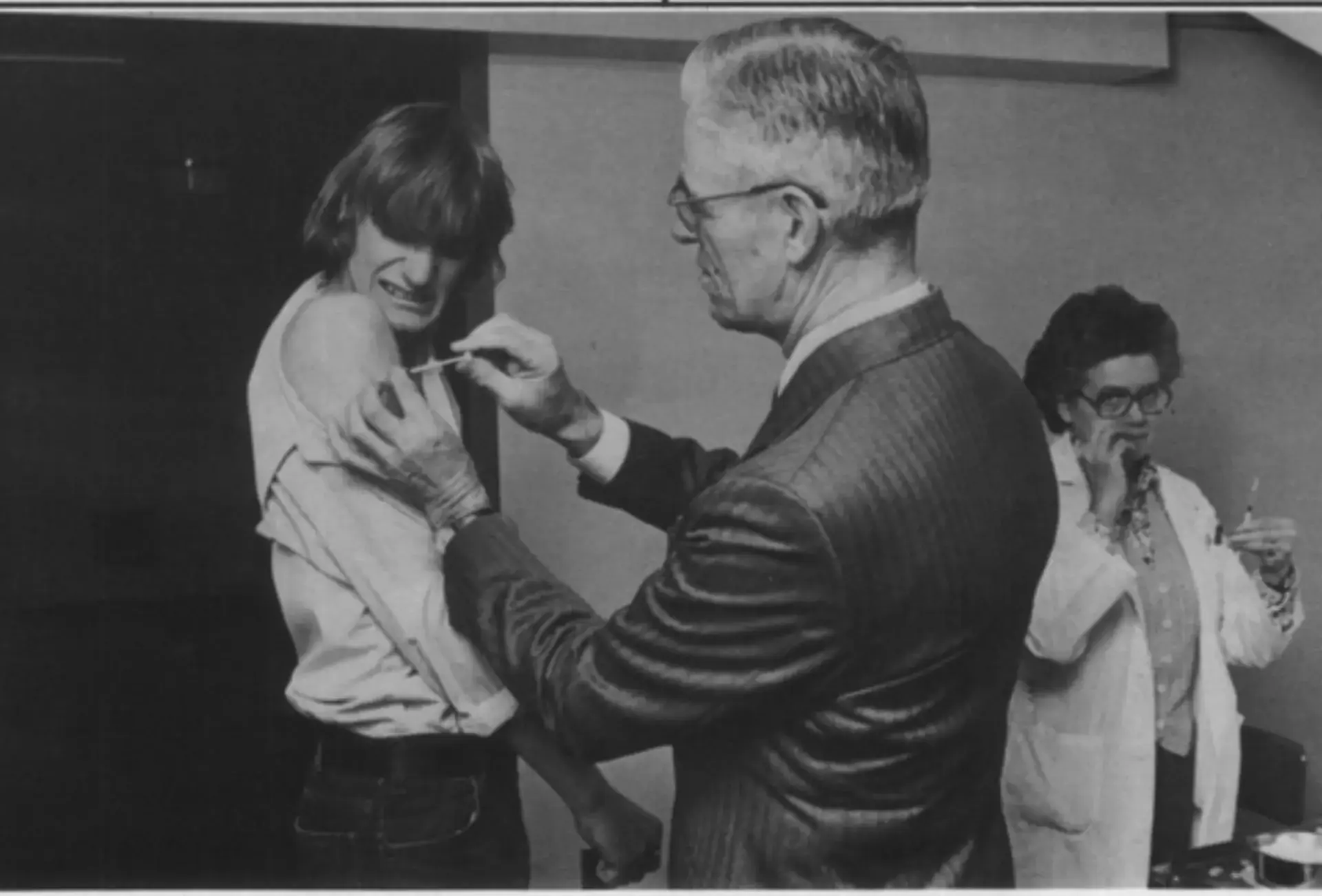
In 1955, boys attending summer school became the first children in Canada to receive the Salk polio vaccine, thanks to school physician Dr. Hugh Gastle.
Traditions Take Shape (1960s-1970s)
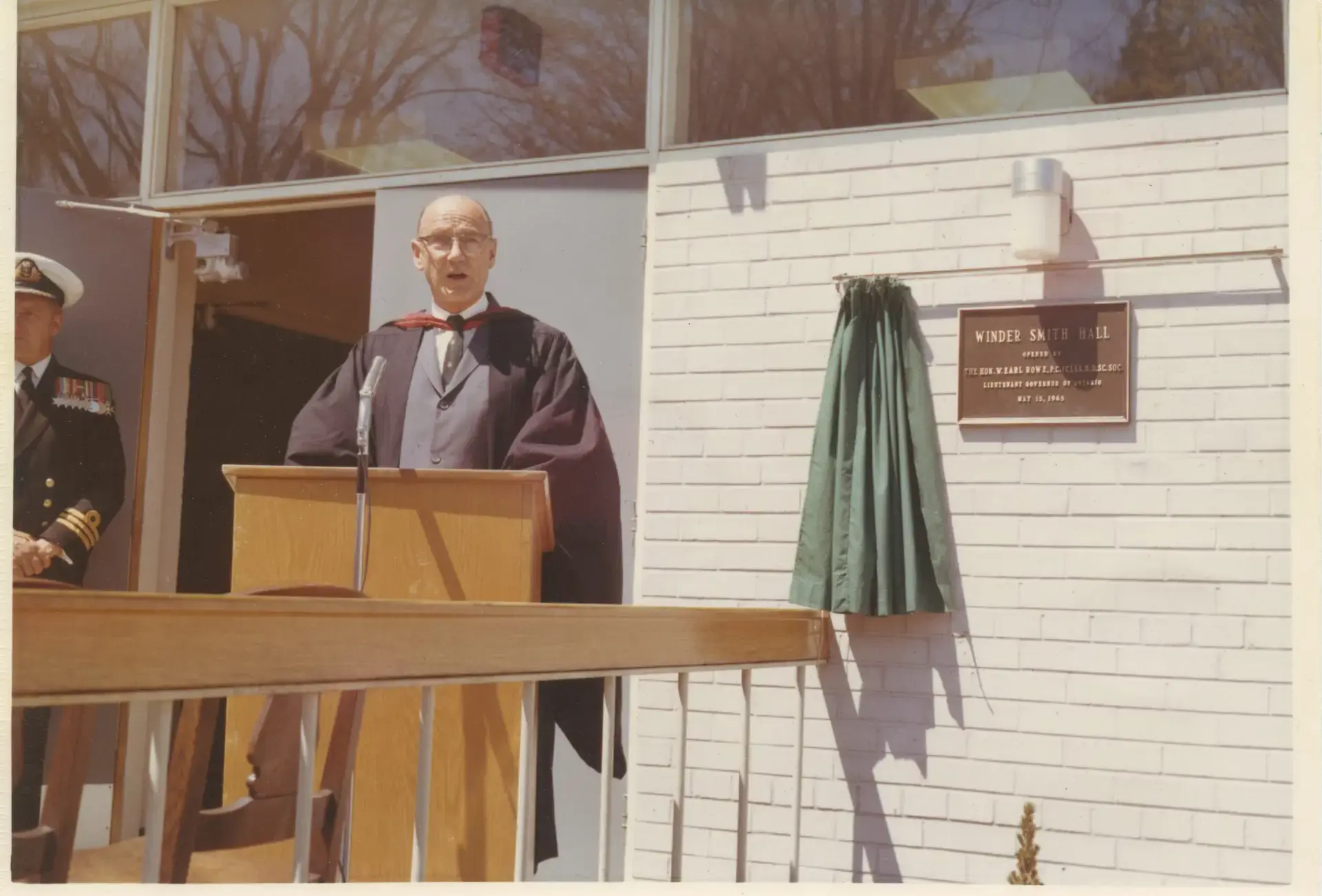
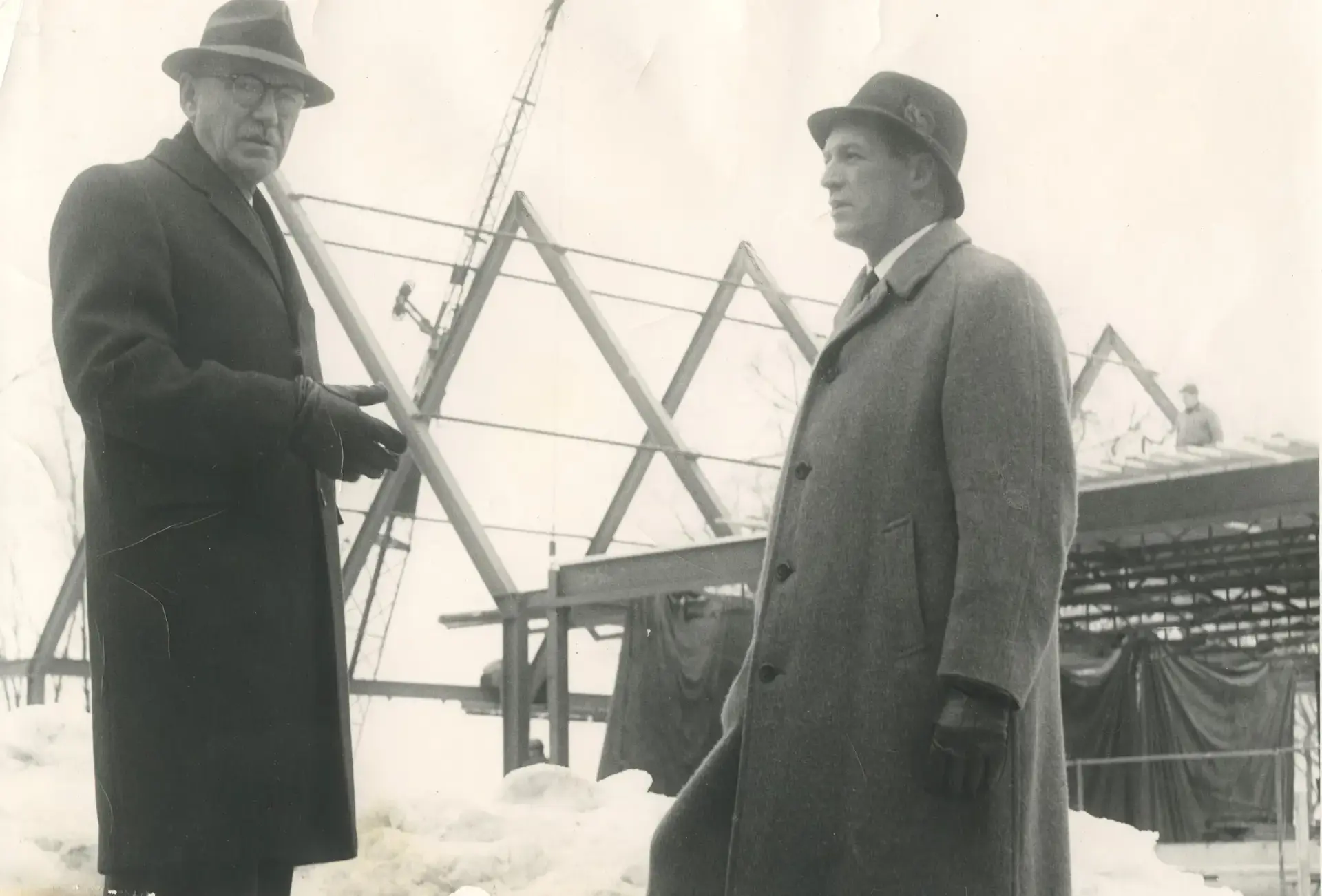
When Winder Smith retired in 1964, Jack Matthews became headmaster. The dining hall was named in Winder Smith’s honour, and Matthews oversaw further campus improvements. In 1966, he renamed the school Lakefield College School and strengthened its international outlook by joining the Round Square programme. During this era, the long-standing naval cadet corps was disbanded.
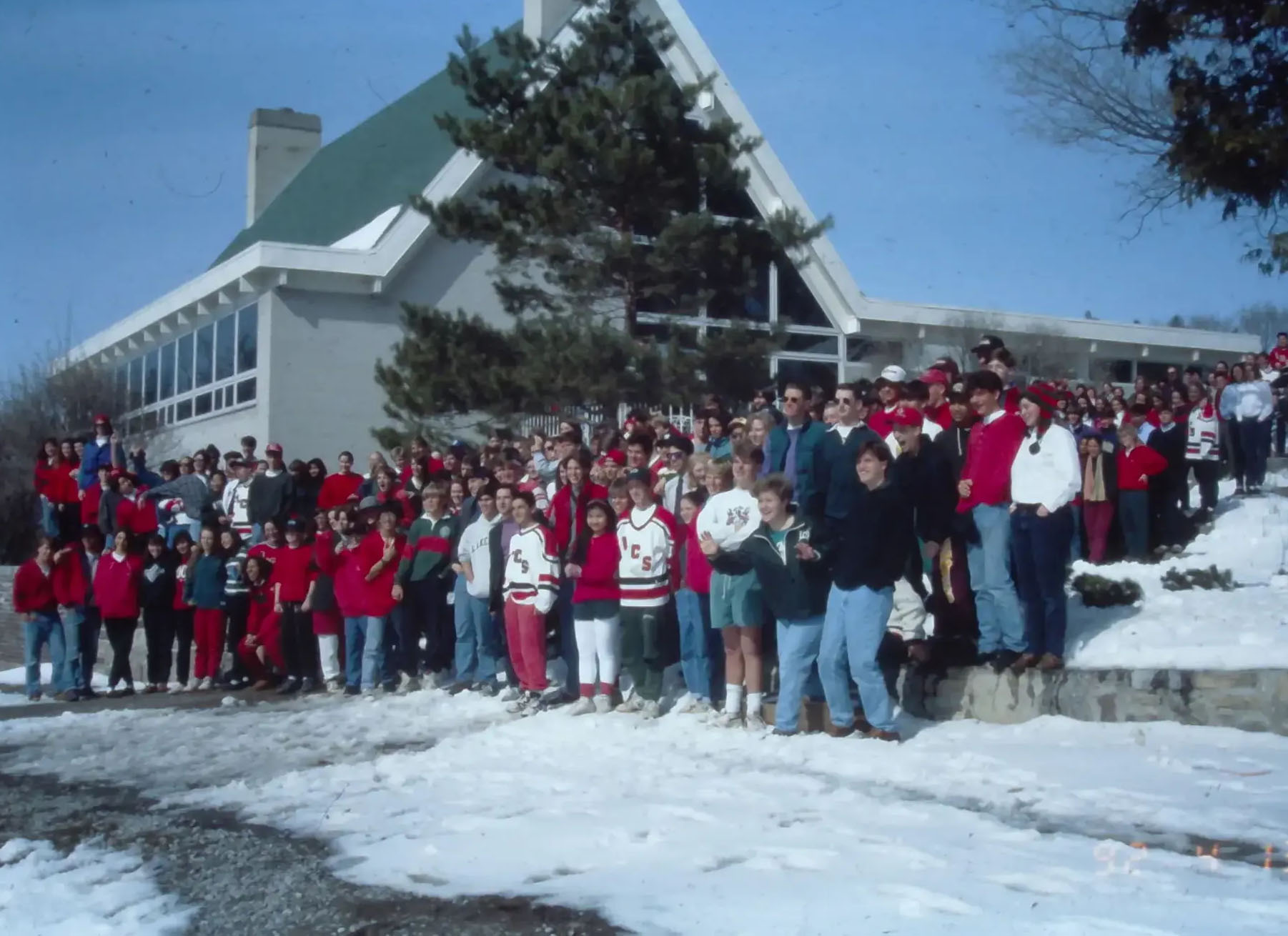
The decades that followed brought greater international diversity, with students from Trinidad, Venezuela, Argentina, and Ceylon joining the community. Intramurals expanded to four houses — Sheldrake, Mackenzie, Pullen, and Lefevre — and cherished traditions took shape. The first Ted Pope Day honoured a former student’s love of adventure and became an annual ski day still celebrated today. Mrs. Gordon launched the first Winter Carnival, now a favourite event with sleigh rides at Northcote Farm. Terry Guest became head of school in 1971, continuing these traditions while growing the student body. To accommodate this growth, Ashelworth House (now Wadsworth House) was purchased and remains the only red-painted building on campus.
Co-Education and a Modern LCS (1980s-2000s)
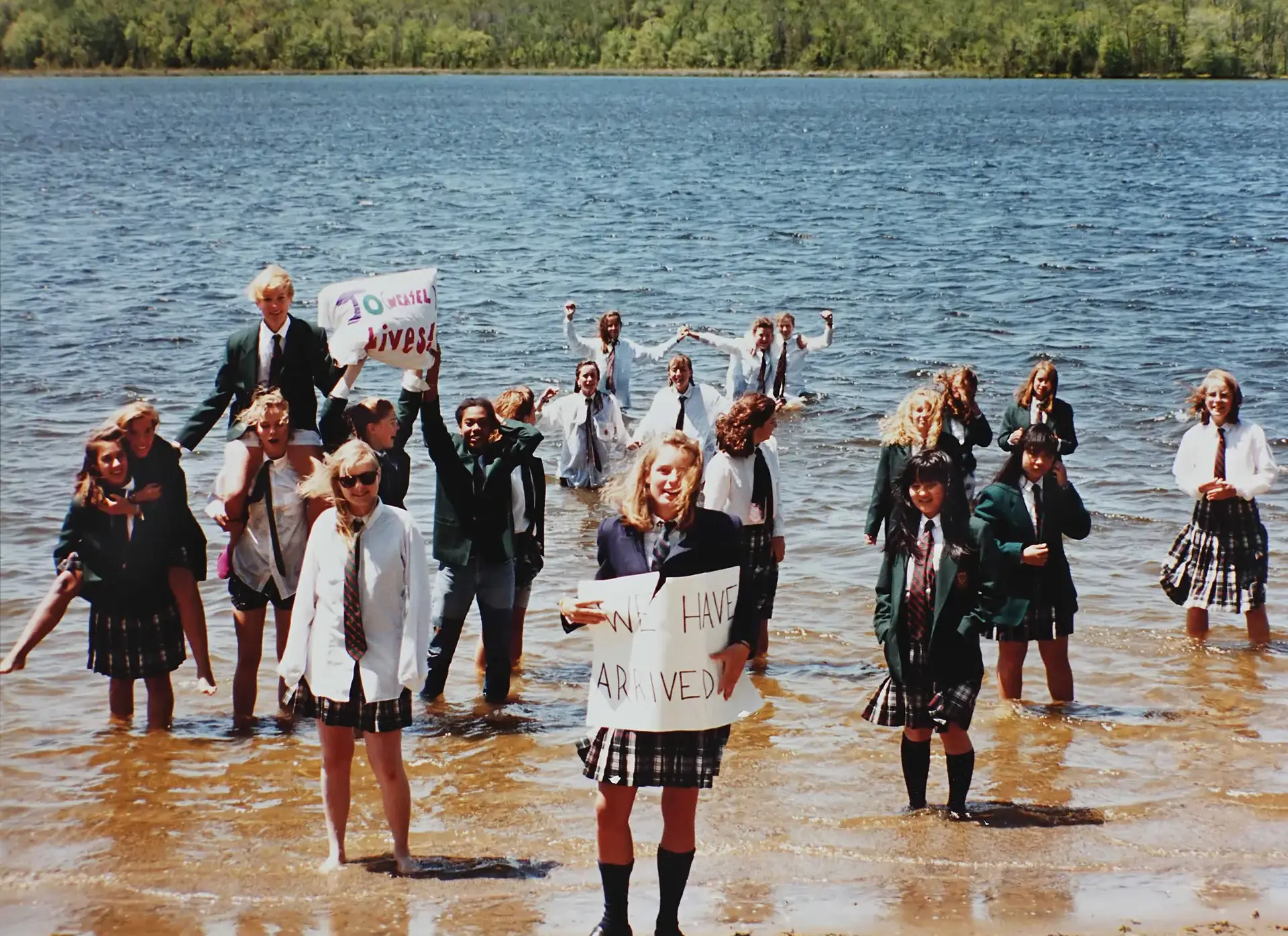
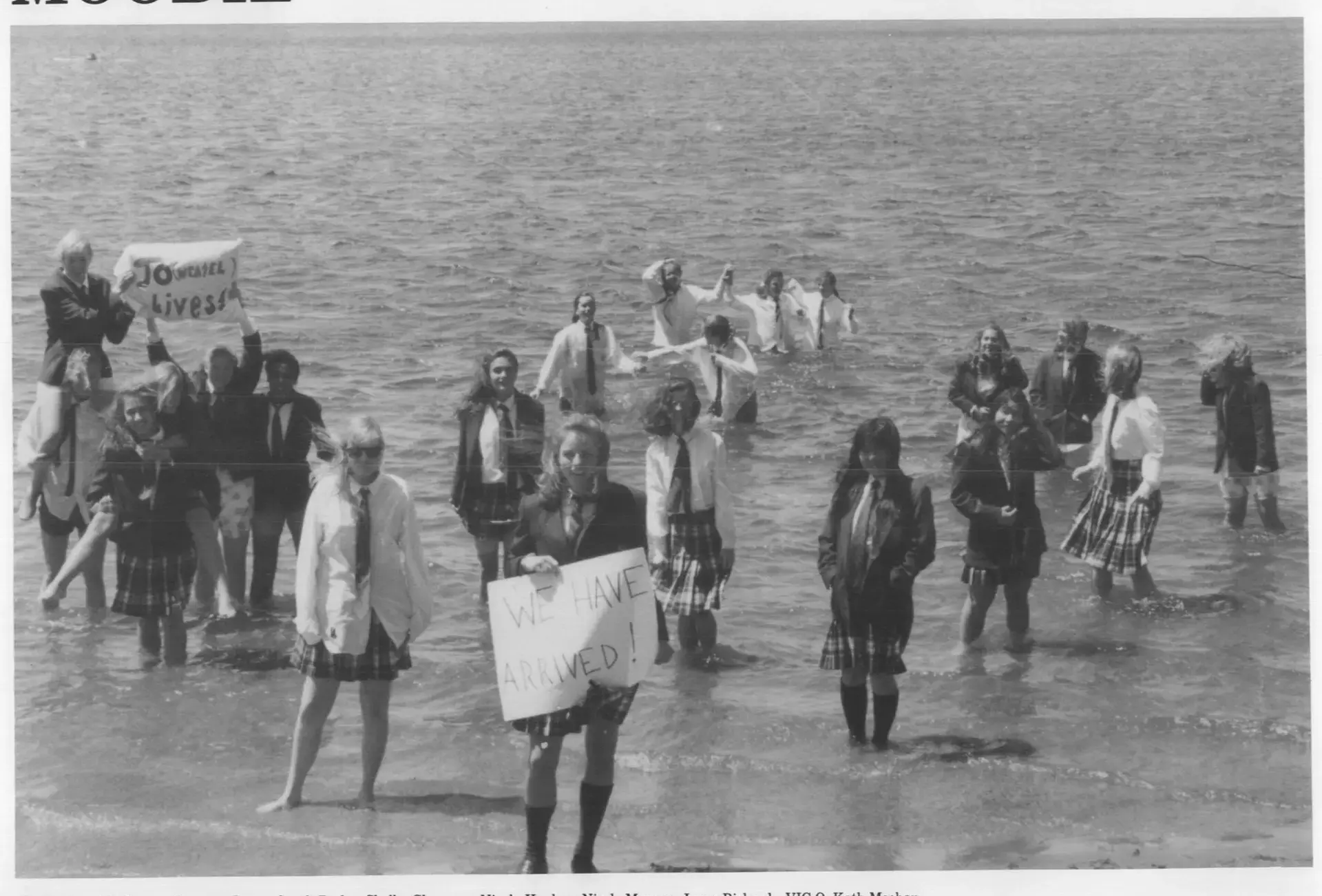
Although women had long been part of the school community as teachers, matrons, and family members, co-education became official in 1989 under Head of School David Hadden. Twenty-six girls joined Susanna Moodie House, marking a defining moment in LCS history.
Hadden also expanded outdoor education through the Irving Expedition, a canoe trip to the far north of Canada. As new traditions emerged, others came to an end in 1992 with the final seasons of football and cricket.
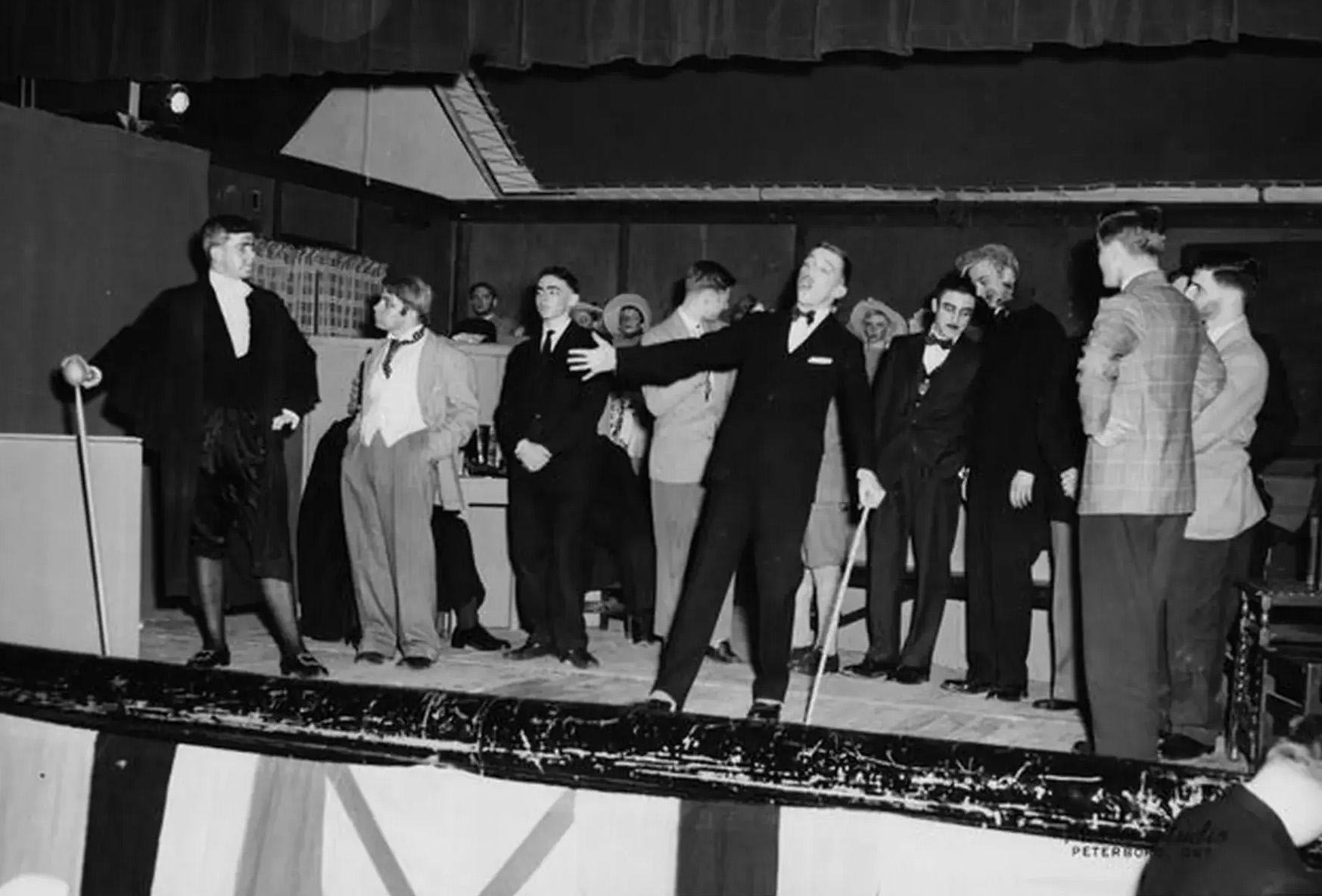
Entering the new millennium, LCS was well positioned to navigate a changing independent school landscape. Alongside its commitment to the outdoors, the school grew its strong legacy in theatre and dance, supported by the renovation of the Bryan Jones Theatre in 2004. In 2012, during the aftermath of the global recession, the school closed Grades 7 and 8 to refocus on programming designed for teenagers.
A Living History: The Grove Today
In recent years, Lakefield has continued to evolve with purpose. Under the leadership of Head of School Anne-Marie Kee, the school has advanced plans for new facilities and deepened its commitment to Learning Outdoors. The Northcote Farm campus has become central to this vision — a space that supports environmental stewardship, food security, and hands-on learning grounded in the natural world
Today, we recognize more fully that our campus sits on the traditional lands of the Michi Saagiig and Chippewa Nations, governed by the Williams Treaties First Nations. The land itself helps students understand this history and deepens our shared responsibility to honour and care for it.
Lakefield remains a place of innovation and care. Our approach to education continues to reflect the values that have shaped The Grove for generations: a belief in learning through experience, the importance of wellbeing in mind, body, and spirit, and the development of young people who lead with character and purpose. We are strengthening interdisciplinary and future-ready learning, expanding leadership opportunities, and investing in spaces that support belonging and connection — all commitments expressed in our community’s vision for Impact 2035.
And while much has changed, the heart of The Grove endures: a community where students are known, challenged, inspired, and connected to one another and to the land they inhabit.