Teaching Meaningful Dialogue Through Harkness at LCS
Across North America, colleges and universities are trying to rediscover how their students can talk to one another in a polarised environment—how to disagree without turning disagreement into battle. The Chronicle of Higher Education reported recently in a piece by Eric Kelderman and Francie Diep, that these programs, often funded by large philanthropic gifts, aim to teach students to navigate an era of deep polarization. At VCU, the Civil Discourse and Collaboration Initiative (supported by David and Micelle Baldacci) is rolling out experiential courses, public forums, and symposia designed to bring differing voices together. Princeton, Vanderbilt, UW–Madison each has similar programs, framing dialogue not as a class to take but a culture to live. Similar but smaller scale programs also exist in Canadian schools (UofT, York.)
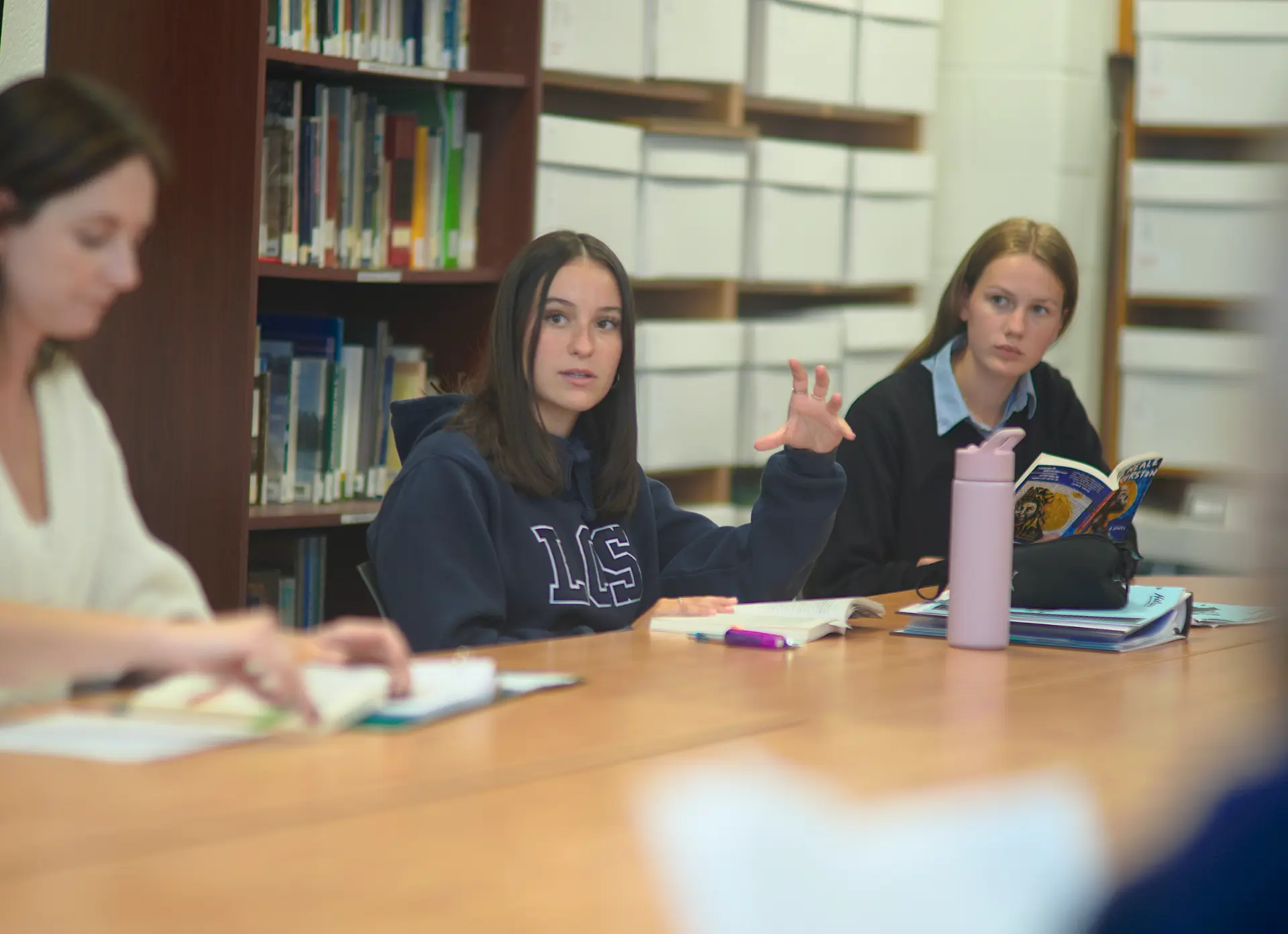
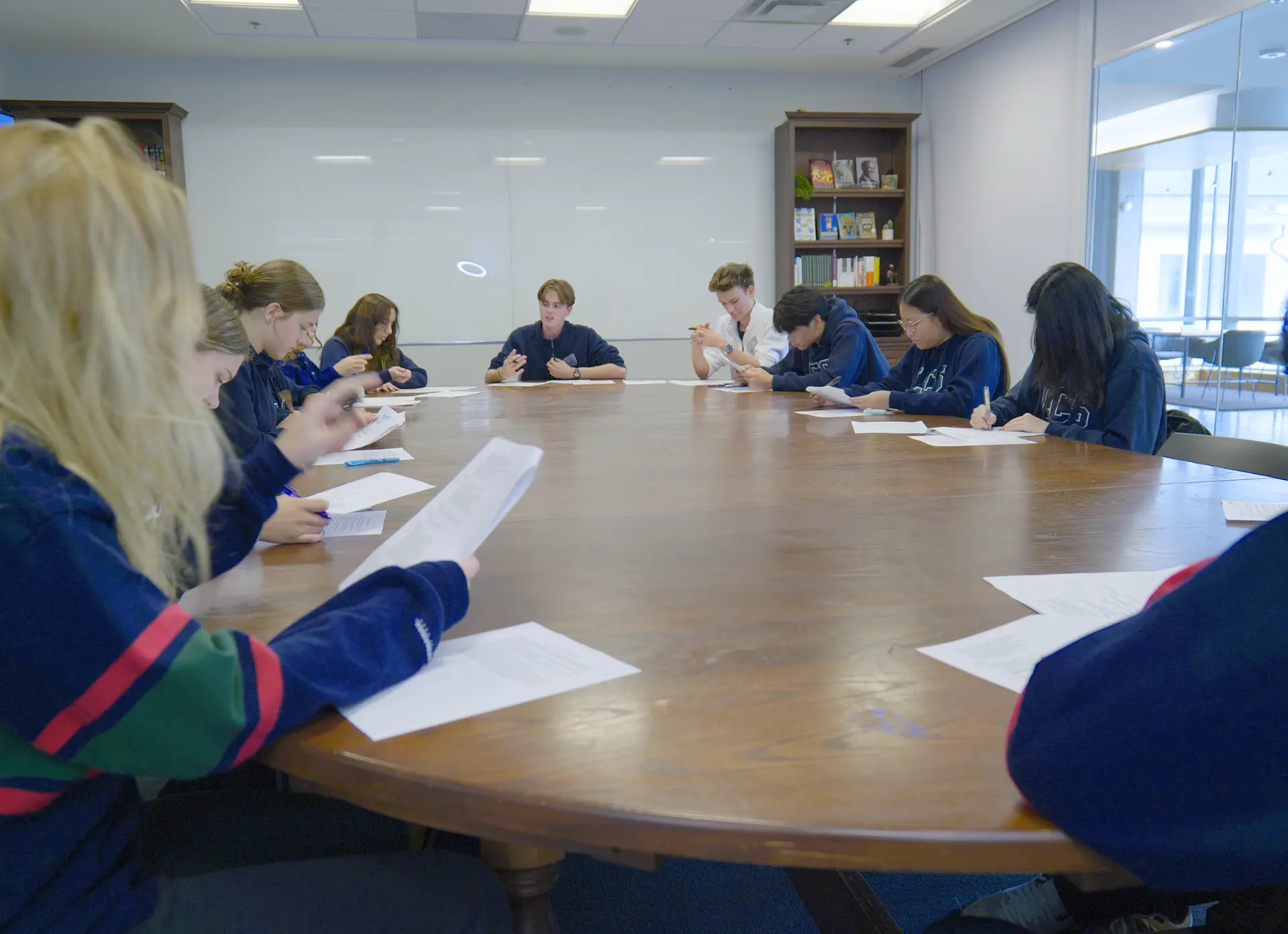
And yet, for many of our students, this is not new. For years, at Lakefield College School, we've been cultivating the very habits these universities are now attempting to build from scratch. Harkness discussions, which are the cornerstone of our English, social science, and business classrooms, place students at a table, facing one another, speaking and listening, thinking and revising, in ways that make the teacher both guide and witness. As we describe it at Lakefield, "The Harkness Method is not focused on a 'right' or 'wrong' way of learning or understanding material; it is a powerful exercise in collaboration and self-expression."
In Grade 9 and 10, teachers build skills and confidence. Students learn to speak, respond, and develop the basics of Harkness discussion while receiving feedback on their growth.
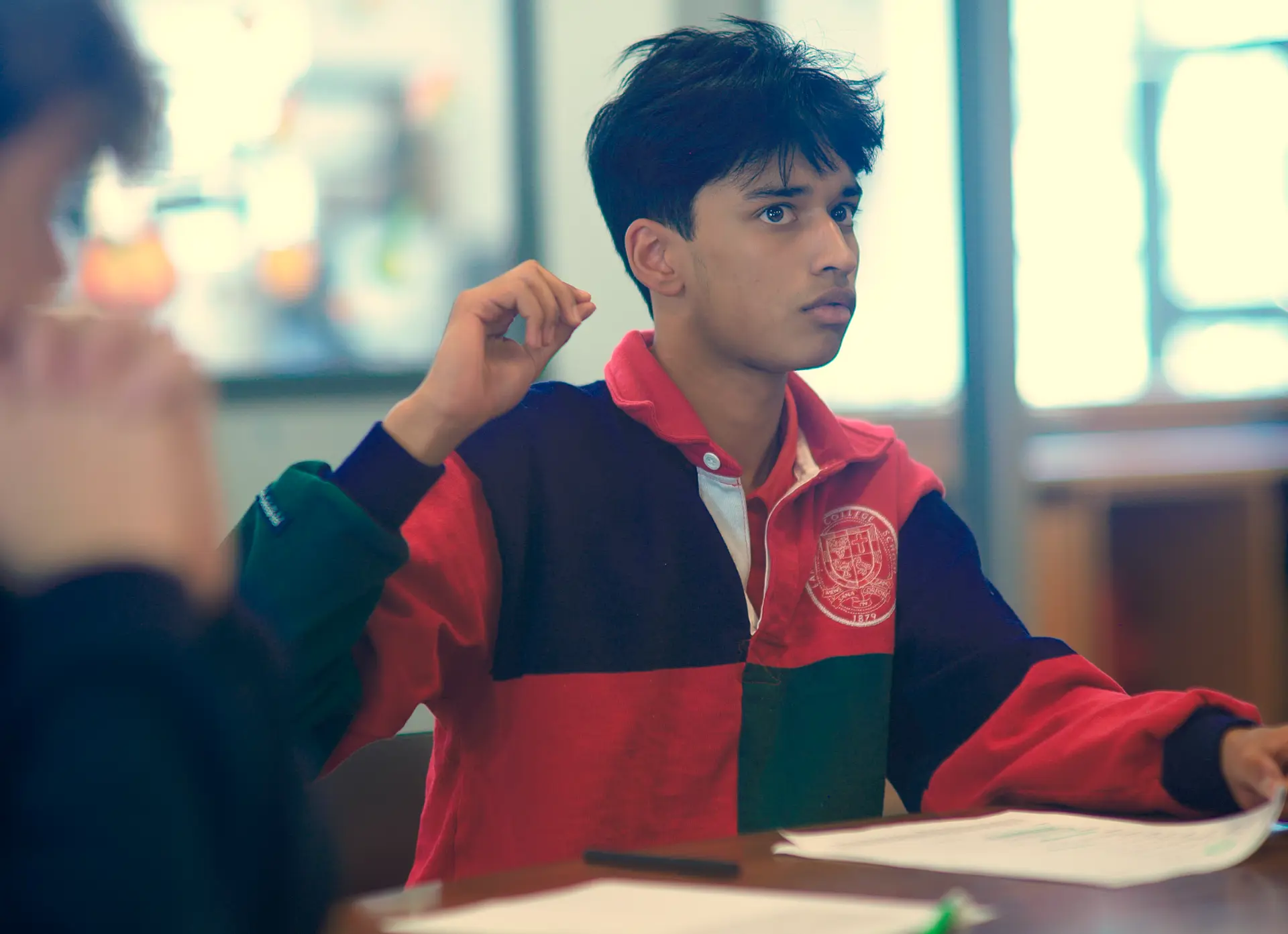
By senior grades, students drive the discussion independently. They negotiate meaning, wrestle with complexity, and take risks. They're graded on their ability to add nuance; in Grade 12, for example, they must "use precise, well-chosen textual evidence to deepen class understanding" and "show insight into nuance, subtext, and cross-textual connections."
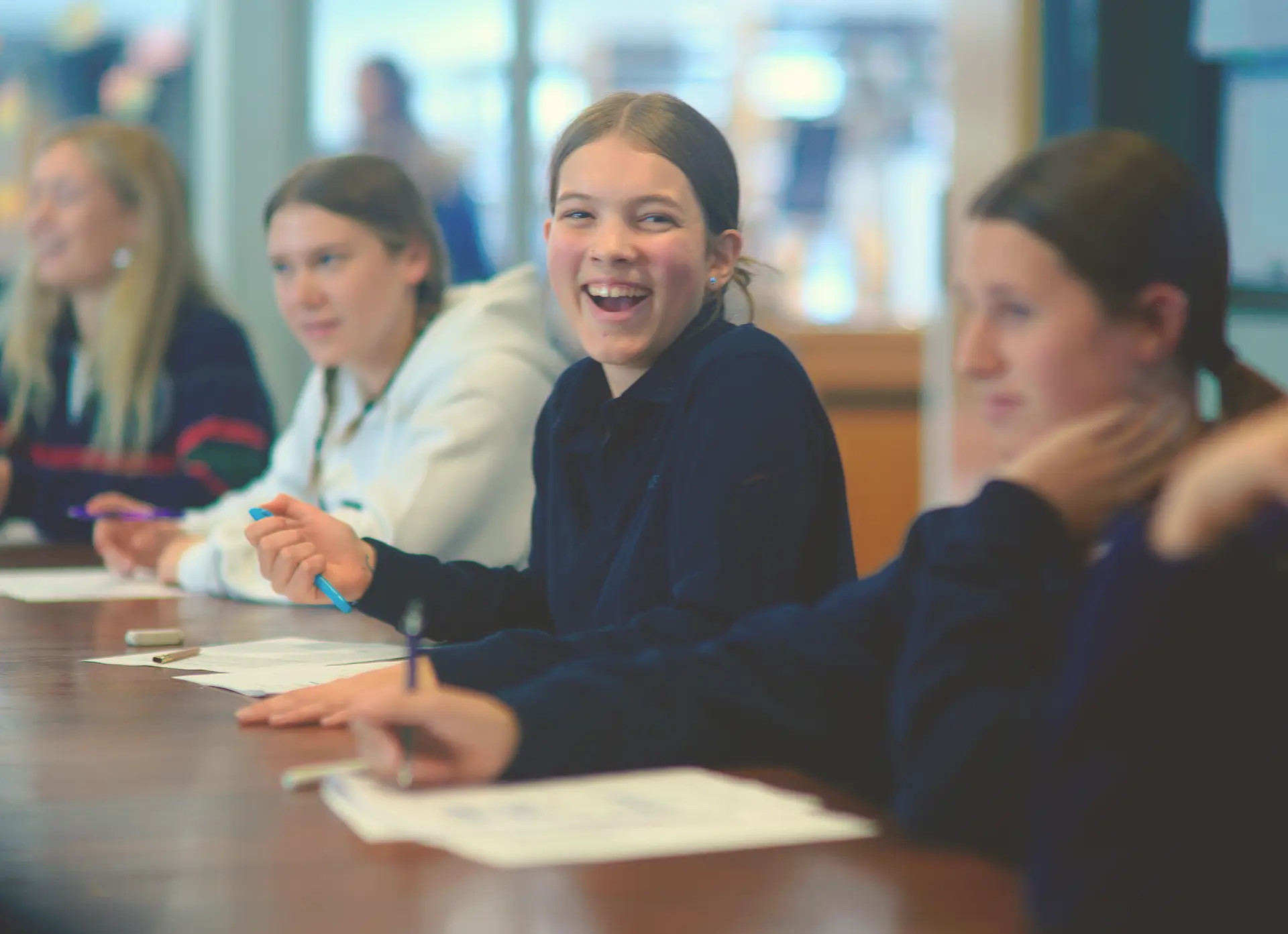
This is the skill set universities now need to teach students entering their labs, lecture halls, and classrooms. They need students capable of reflective listening and perspective-taking. At Lakefield, we explicitly teach our students how to engage across differences and question assumptions so they arrive at their next school fluent in these skills, having practiced them for years. Course feedback shows that Harkness translates to real learning, with students repeatedly commenting: "I love how we Harkness every class; it really allows me to understand the text at a new level."
So when colleges spend millions building centers for civil dialogue, we can look at our own classrooms and see what happens when it's cultivated early, repeatedly, with care. Civil discourse is not an extra course or an elective here. It's how we ask our students to learn. And for our students, it is a skill and a habit they carry confidently into the next stage of their lives.