
When Bacteria Glow: AP Biology Students Explore Cellular Communication
Earlier this week in Ms. Thalen’s AP Biology class, students investigated a remarkable scientific phenomenon: how bacteria communicate, and how that communication can cause them to glow.
Using Vibrio campbellii, a marine bacterium known for its bioluminescent properties, students explored quorum sensing, the process by which bacterial cells detect when their population has reached a critical density. Once that “quorum” is met, a coordinated genetic response is triggered through the Lux signaling pathway, producing visible blue light.
Through hands-on modeling and co-plating experiments, students examined how specific genes within the Lux pathway regulate this light production. They analyzed how cells send and receive chemical signals, how gene expression is activated, and how collective behaviour emerges from individual cells acting together.
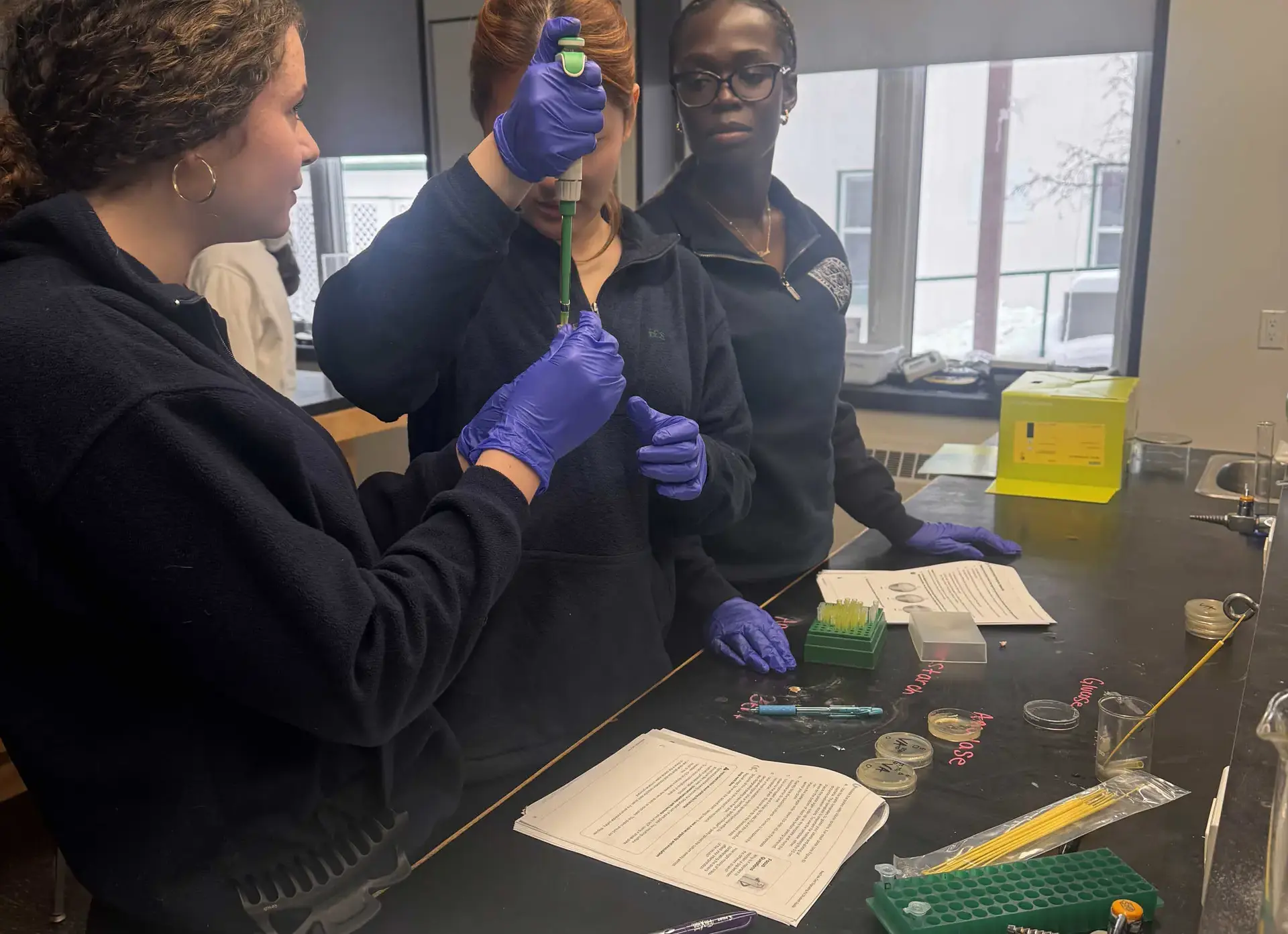
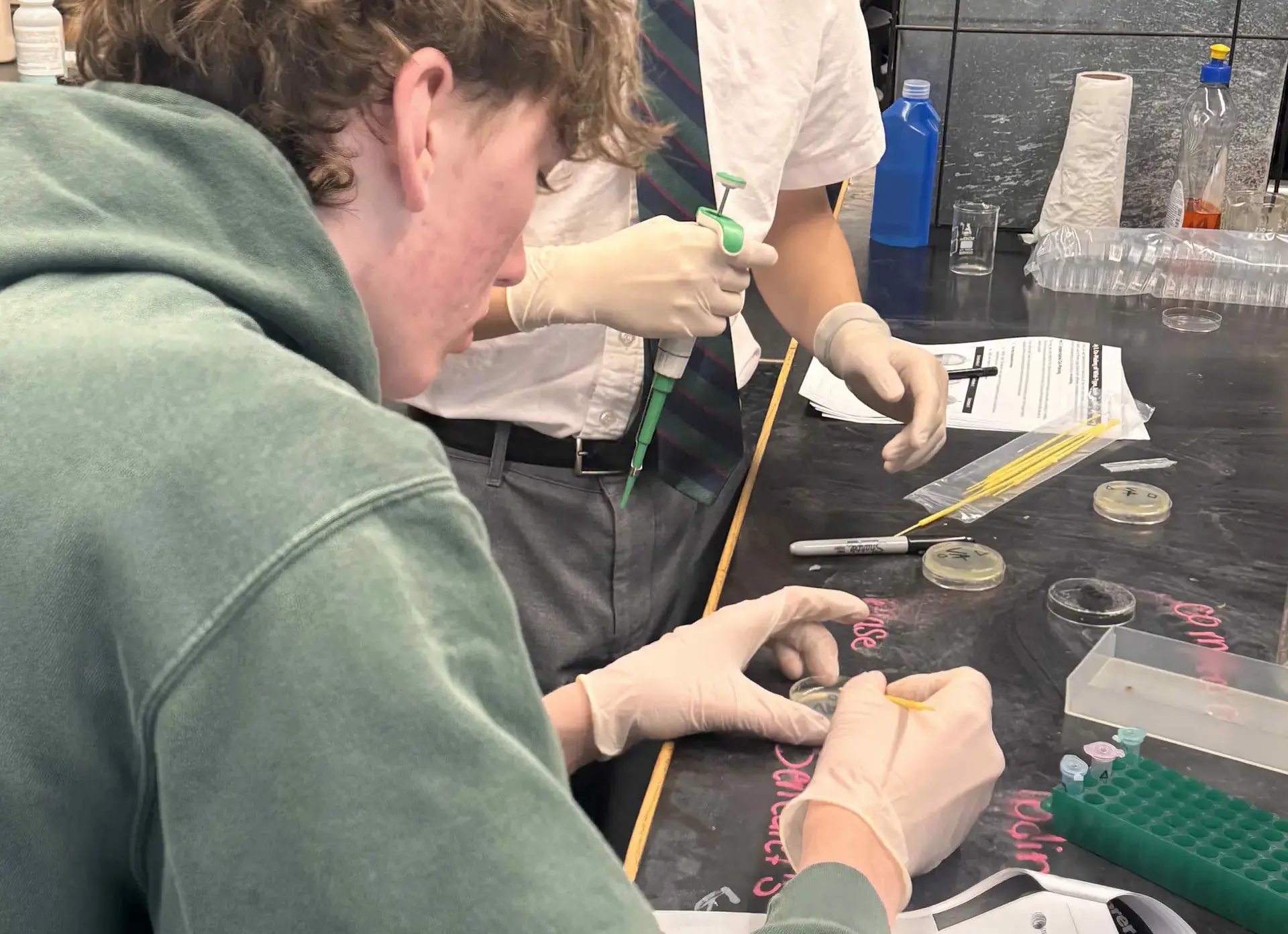
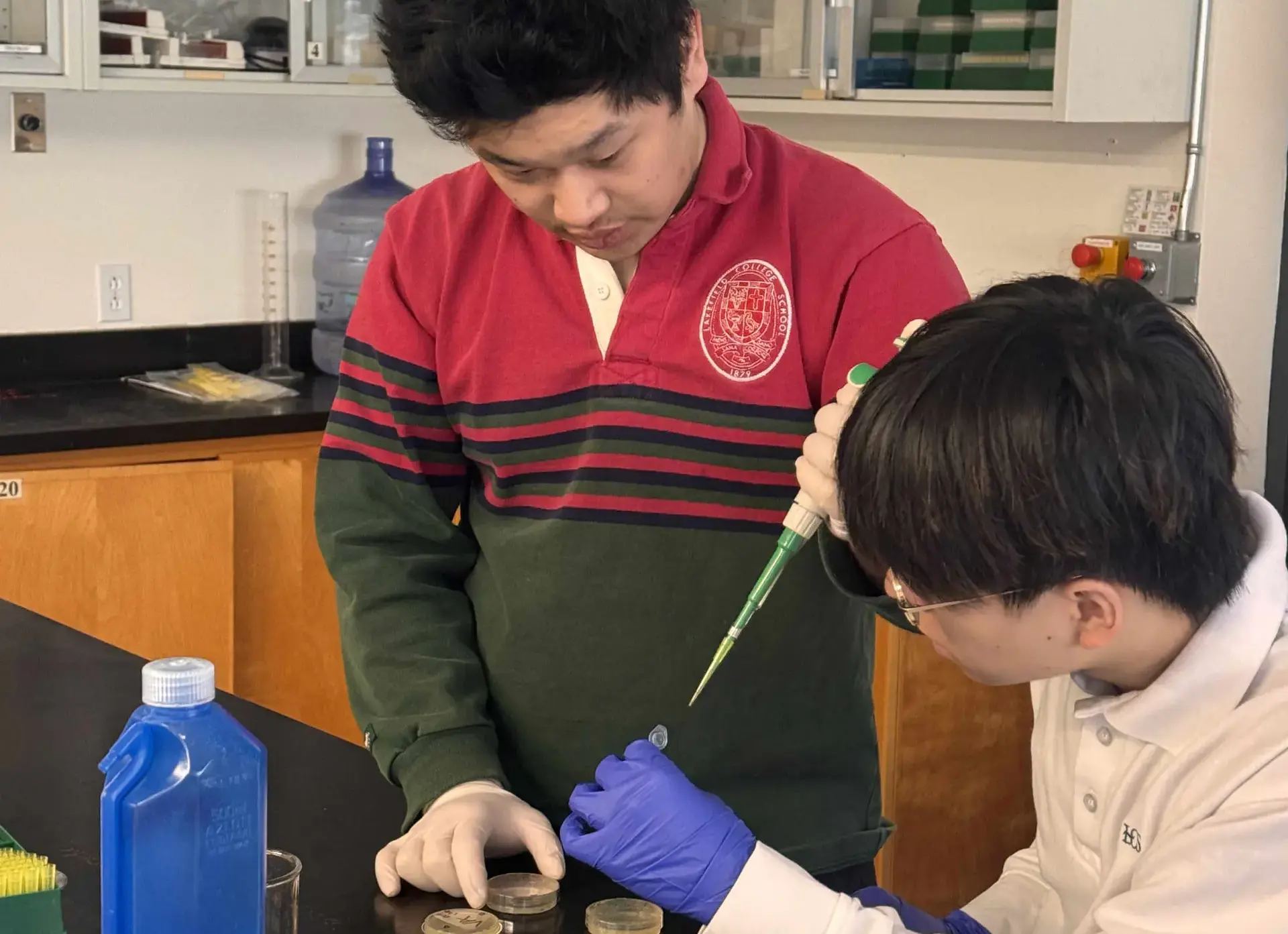
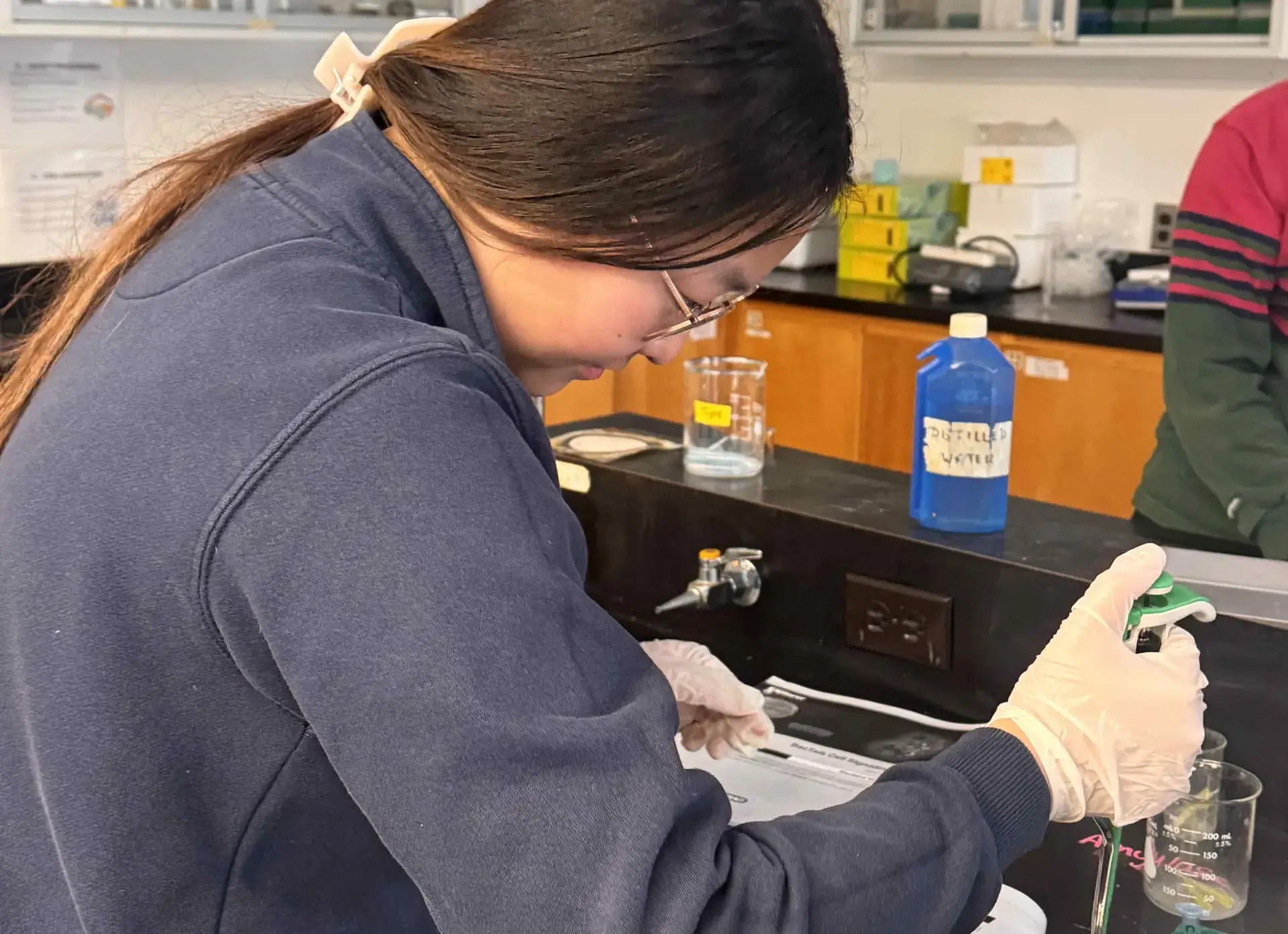
Students also tested how genetic mutations and chemical inhibitors affect this communication system. By altering components of the pathway, they were able to observe how disruptions influence bioluminescence, deepening their understanding of molecular biology concepts such as gene regulation and signal transduction.
Beyond the visual impact of glowing bacterial cultures, the learning connects directly to real-world scientific challenges. Quorum sensing research plays an important role in medicine, biotechnology, and environmental science, particularly in understanding antibiotic resistance and developing innovative microbial technologies.
Experiences like this reflect the depth and rigor of AP Biology at LCS. Students are not only learning advanced molecular theory; they are engaging in authentic scientific investigation, building resilience through experimentation, and cultivating the curiosity that drives scientific discovery.